Lesser Long-eared Bat
Nyctophilus geoffroyi
The Lesser Long-eared Bat (Nyctophilus geoffroyi) is a mammal recorded in Australia 20,667 times. 8 native plants are known to feed or shelter it.
Photo: Max Campbell, CC BY, via iNaturalist
Plants to grow for it
-
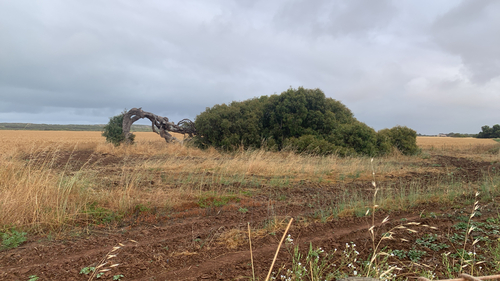 River Red GumEucalyptus camaldulensis
Food for the Little LorikeetFeeds 57 kinds of wildlifeAlso recorded with
-
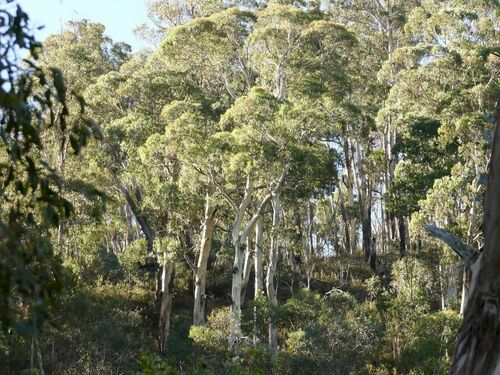 Mountain White GumEucalyptus dalrympleana
Food for the Gang-gang Cockatoo and othersFeeds 21 kinds of wildlifeAlso recorded with
-
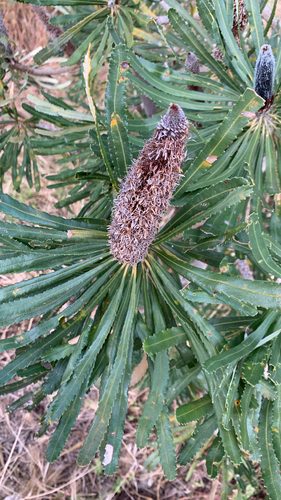 Candlestick BanksiaBanksia attenuata
Food for the Carnaby's Black CockatooFeeds 8 kinds of wildlifeAlso recorded with
-
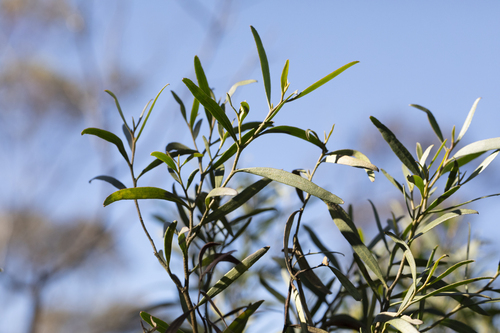 SugarwoodMyoporum platycarpum
Feeds 6 kinds of wildlifeAlso recorded with
-
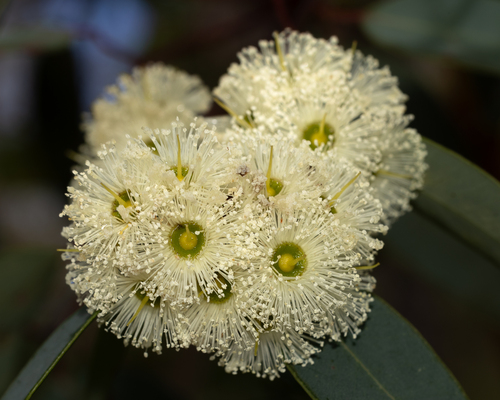 JarrahEucalyptus marginata
Food for the Red-tailed Black CockatooFeeds 13 kinds of wildlifeAlso recorded with
-
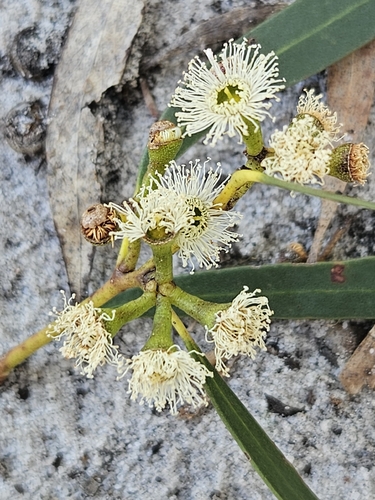 Black PeppermintEucalyptus amygdalina
Feeds 14 kinds of wildlifeAlso recorded with
-
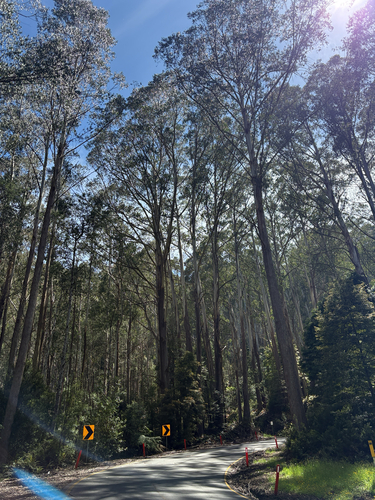 Alpine AshEucalyptus delegatensis
Food for the Little Lorikeet and othersFeeds 18 kinds of wildlifeAlso recorded with
-
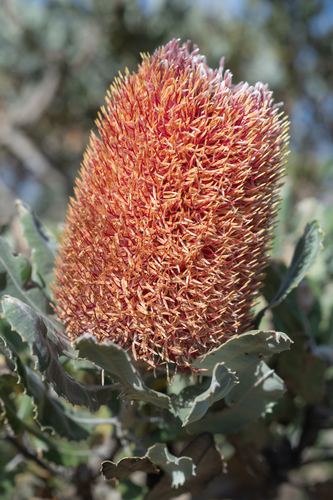 Firewood BanksiaBanksia menziesii
Food for the Carnaby's Black CockatooFeeds 7 kinds of wildlifeAlso recorded with
Sources
- Hosken, D. J. 1996. Roost selection by the lesser long-eared bat, Nyctophilus geoffroyi, and the greater long-eared bat, N. major (Chiroptera: Vespertilionidae) in Banksia woodlands. Journal of the Royal Society of Western Australia, 79: 211-216.
- Lumsden, L. F., A. F. Bennett, and J. E. Silins. 2002 b. Selection of roost sites by the lesser long-earedbat(Nyctophilusgeoffroyi)andGould'swattledbat(Chalinolobusgouldii)in south-eastern Australia. Journal of Zoology (London), 257: 207-218.
- Taylor, R. J., & Savva, N. M. (1988). Use of roost sites by four species of bats in state forest in south-eastern Tasmania. Wildlife Research, 15(6), 637-645.