What to plant in Five Ways
178 native plants grow wild within 20 km of Five Ways. Start with the garden-sized ones below: the most common locally, ranked higher when they feed more local wildlife.
Plant these first
-
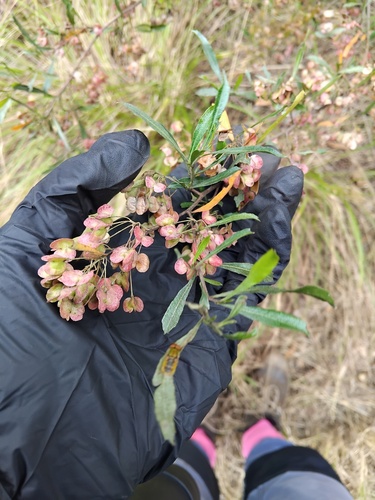 Sticky Hop-bushDodonaea viscosa
Feeds 20 kinds of wildlife
-
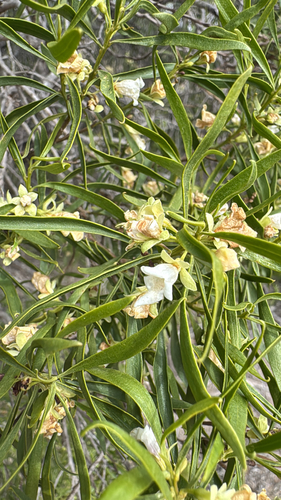 Bastard SandalwoodEremophila mitchellii
Feeds 2 kinds of wildlife
-
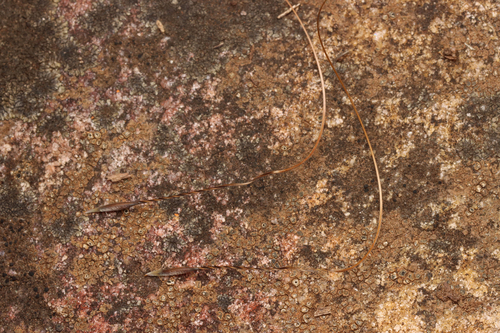 SpeargrassAustrostipa scabra
Feeds 3 kinds of wildlife
-
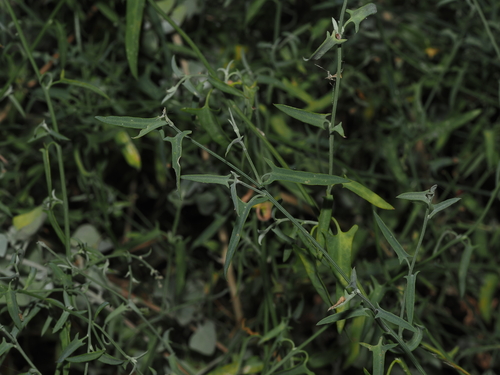 Climbing SaltbushEinadia nutans
Feeds 1 kind of wildlife
-
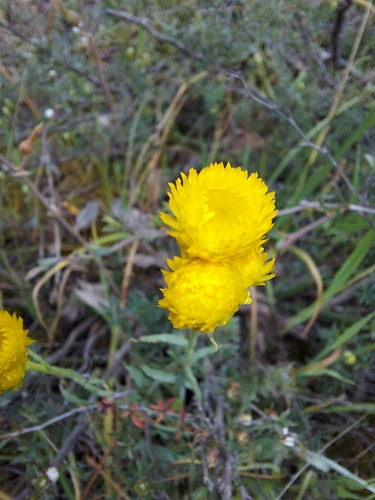 Common EverlastingChrysocephalum apiculatum
Feeds 3 kinds of wildlife
-
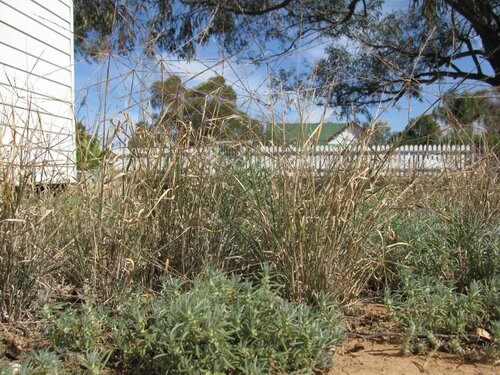 Umbrella GrassEnteropogon acicularis
No wildlife links recorded yet
-
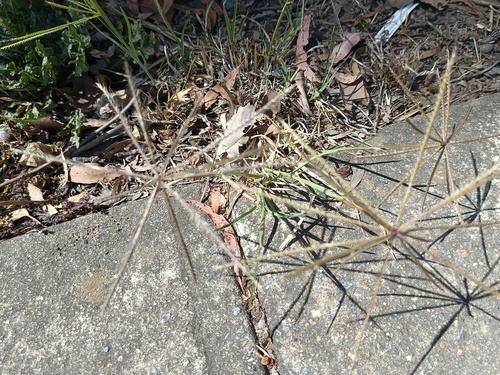 Black Windmill GrassChloris truncata
No wildlife links recorded yet
-
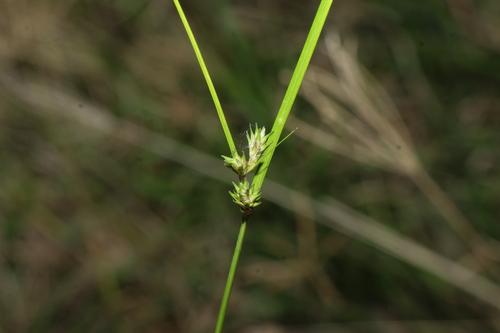 Knob SedgeCarex inversa
No wildlife links recorded yet
-
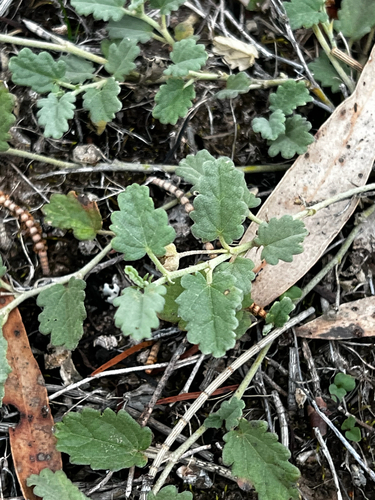 Corrugated SidaSida corrugata
No wildlife links recorded yet
-
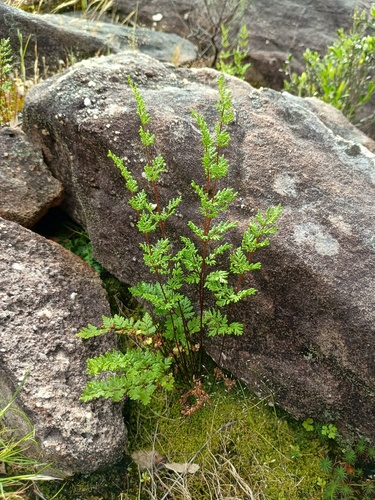 Cloak FernCheilanthes sieberi
No wildlife links recorded yet
-
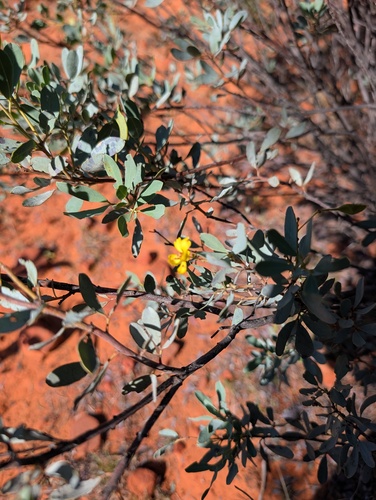 Silver CassiaSenna artemisioides
Feeds 8 kinds of wildlife
-
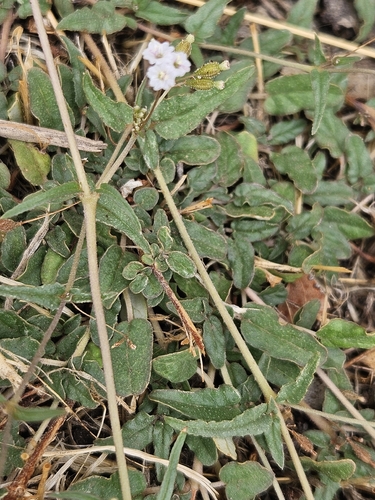 Tah-vineBoerhavia dominii
Feeds 3 kinds of wildlife
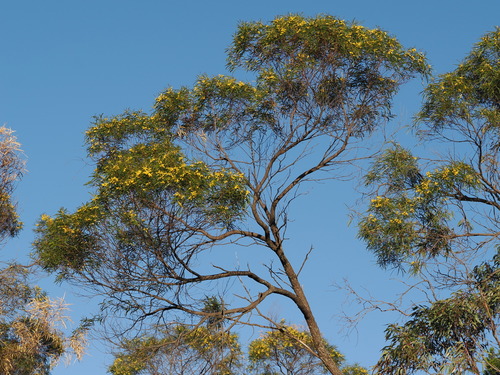
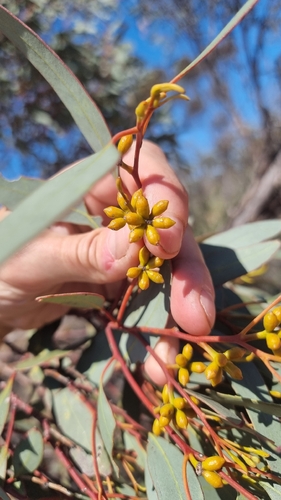
For a small garden: trees up to 8 m
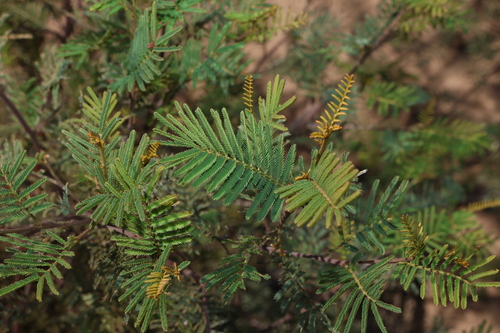
Shrubs for screening and shelter
-
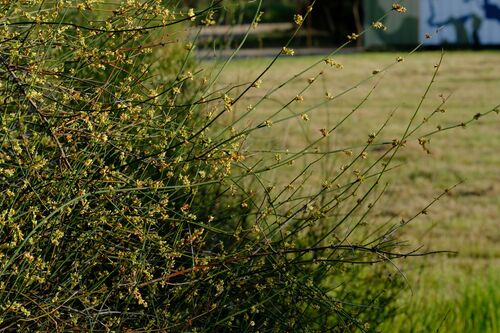 Tangled LignumDuma florulenta
Feeds 7 kinds of wildlife
-
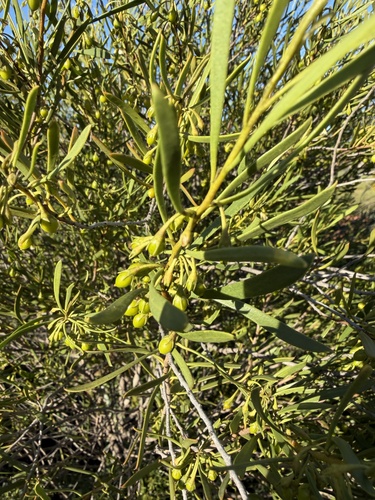 TurkeybushEremophila deserti
Feeds 1 kind of wildlife
-
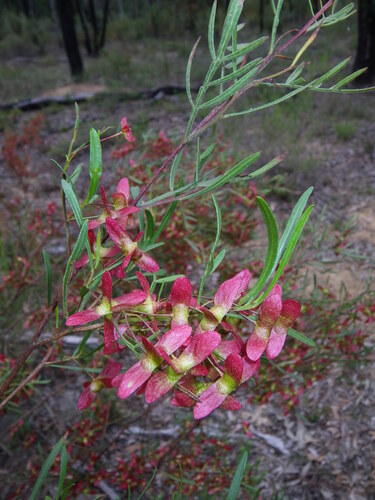 Maple-fruited Hop-bushDodonaea heteromorpha
No wildlife links recorded yet
-
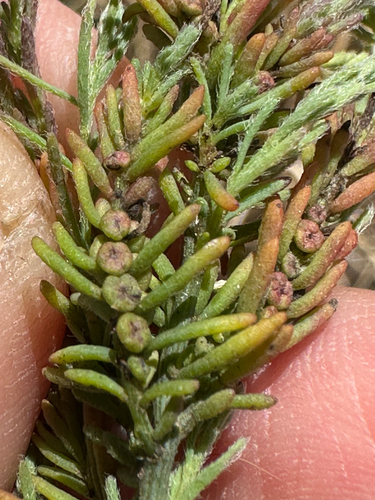 Eastern CottonbushMaireana microphylla
No wildlife links recorded yet
-
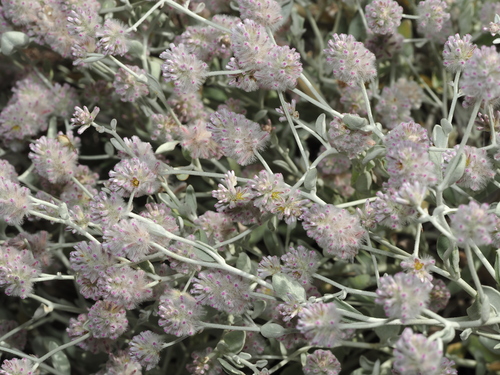 Cotton BushPtilotus obovatus
Feeds 3 kinds of wildlife
Groundcovers, grasses and strappy plants
-
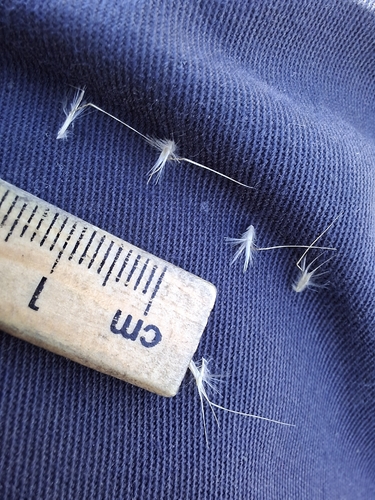 Bristly Wallaby-grassRytidosperma setaceum
No wildlife links recorded yet
-
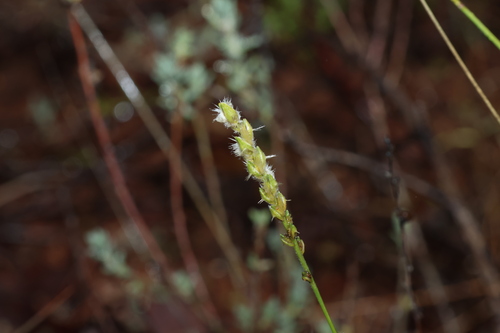 Mulga Mitchell GrassThyridolepis mitchelliana
No wildlife links recorded yet
-
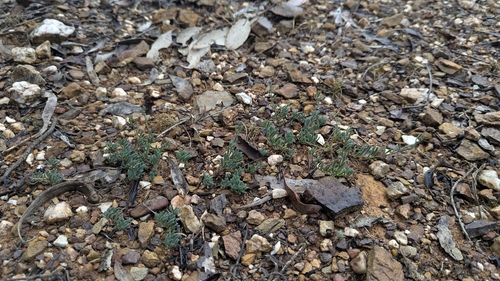 Wingless Fissure-plantMaireana enchylaenoides
No wildlife links recorded yet
-
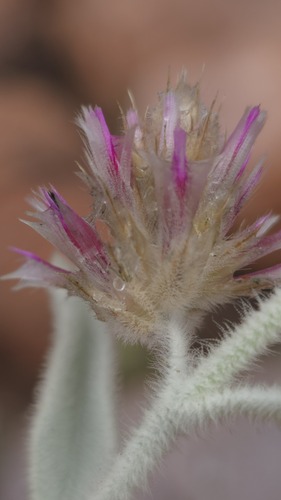 Silver-tailsPtilotus sessilifolius
No wildlife links recorded yet
-
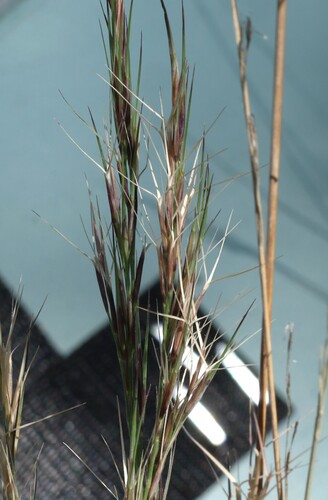 Jericho WiregrassAristida jerichoensis
No wildlife links recorded yet