Home Suburbs Queensland Guijar Islet
What to plant in Guijar Islet
Queensland, postcode 4875
57 native plants grow wild within 17 km of Guijar Islet. Start with the garden-sized ones below: the most common locally, ranked higher when they feed more local wildlife.
10 threatened species recorded nearby Best picks Small trees 4 Shrubs 7 Groundcovers 5 Grasses & strappy 2 Climbers 14 Large trees 25 All 57 Share this list
Plant these first
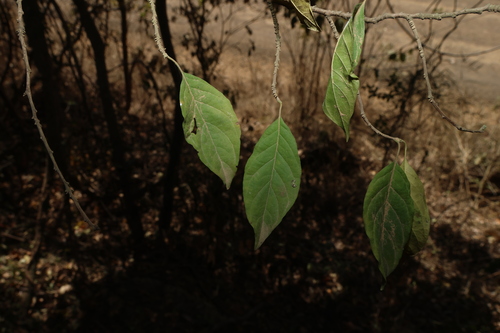
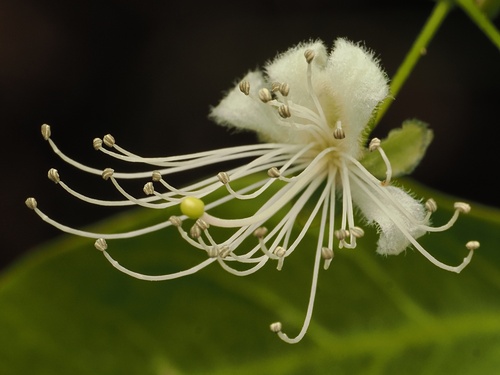
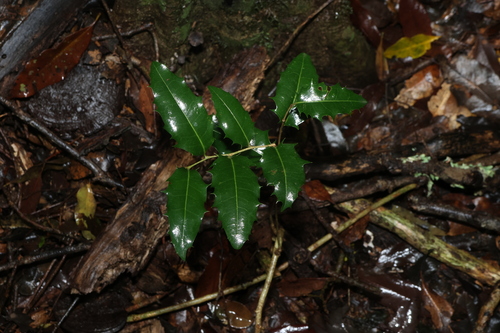
Lolly Berry Salacia chinensis Climber
Feeds 2 kinds of wildlife
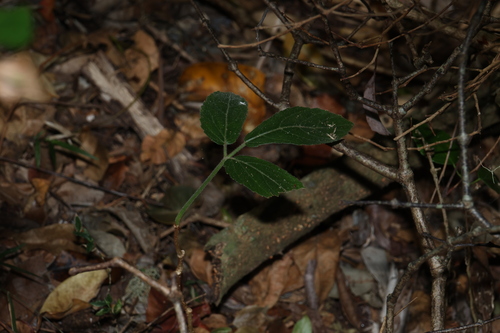
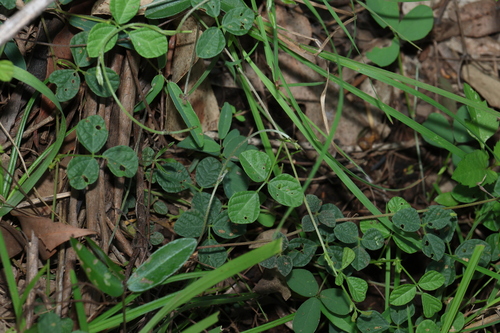
Pachygone ovata Climber
No wildlife links recorded yet
Beach Naupaka Scaevola taccada Shrub, about 4 m
Feeds 5 kinds of wildlife
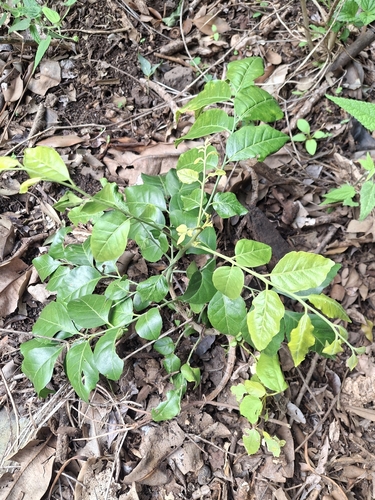
Claoxylon hillii Shrub, about 5 m
No wildlife links recorded yet
MacGillivray's Aralia Polyscias macgillivrayi Shrub, about 5 m
No wildlife links recorded yet
Hop Bush Dodonaea polyandra Small tree, about 8 m
No wildlife links recorded yet
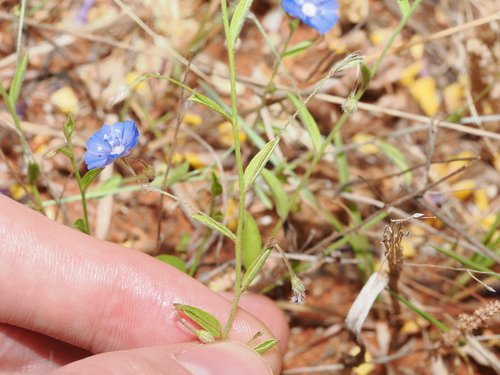
Euphorbia pallens Groundcover, about 0.6 m
No wildlife links recorded yet Toxic to pets
Suji Dracaena angustifolia Shrub, about 8 m
No wildlife links recorded yet
Wild Leadwort Plumbago zeylanica Shrub, about 1 m
Feeds 14 kinds of wildlife
Rotten Cheese Fruit Morinda citrifolia Small tree, about 4 m
Feeds 15 kinds of wildlife
Sida pusilla Groundcover, about 0.2 m
No wildlife links recorded yet
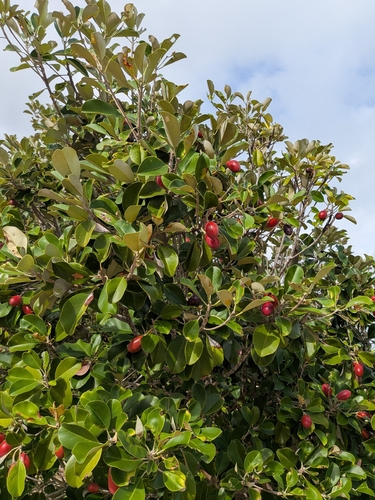
Cedar Bay Cherry Eugenia reinwardtiana Small tree, about 6 m
Feeds 1 kind of wildlife
Threatened wildlife you can plant for None of the threatened species recorded nearby has a known garden food plant here.
10 more threatened species recorded nearby (no garden food plants known) Protecting the bush, wetlands and coast near you is the best help for these.
Wildlife these plants feed Number of the top 100 plants here that feed each group: birds (5), butterflies (19), mammals (4), moths (15), other insects (10).
How this list is made Plants recorded growing wild within 17 km of Guijar Islet on GBIF and the Atlas of Living Australia (301 records), a wider circle than the usual 5 km because Guijar Islet is a large locality. A plant counts only if it is native to Queensland (Alien Flora of Australia and the Australian Plant Census) and herbarium specimens show it grows wild in this bioregion (Cape York Peninsula), so street trees and garden plants from elsewhere drop out. Records from botanic gardens, zoos and museums are left out, and so are declared weeds. Plants on an official environmental weed list stay in the full list with a note but are never a pick. Water, saltmarsh and tiny or short-lived plants are in the full list only. Sources
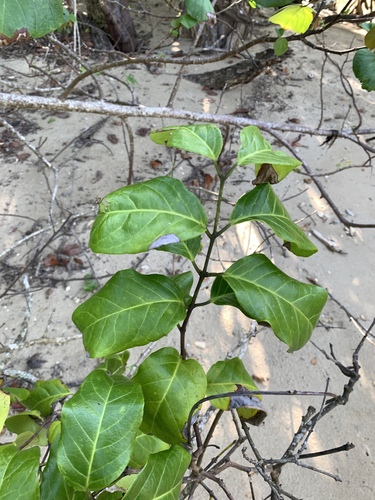 Lolly BerrySalacia chinensis
Feeds 2 kinds of wildlife
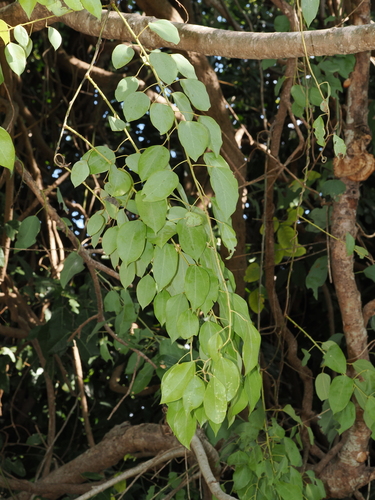 Pachygone ovata
No wildlife links recorded yet
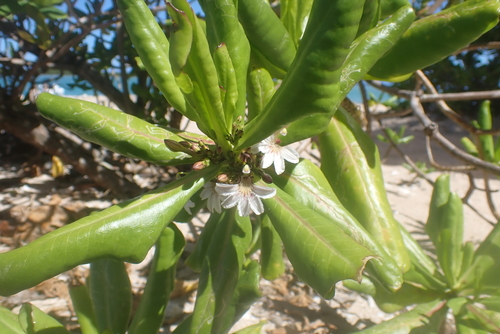 Beach NaupakaScaevola taccada
Feeds 5 kinds of wildlife
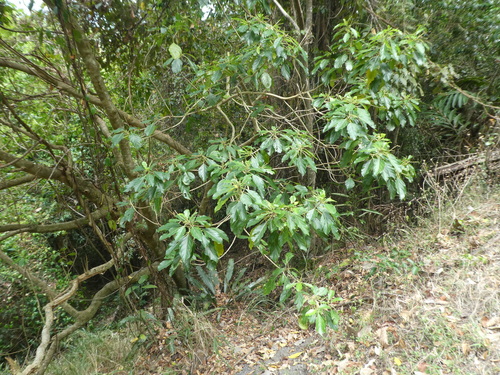 Claoxylon hillii
No wildlife links recorded yet
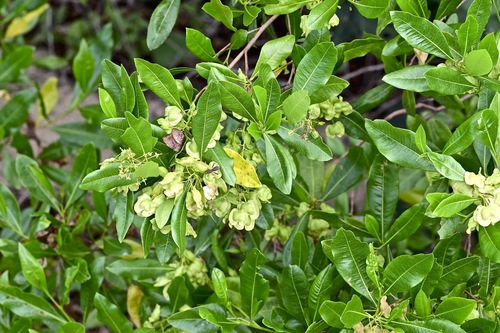 Hop BushDodonaea polyandra
No wildlife links recorded yet
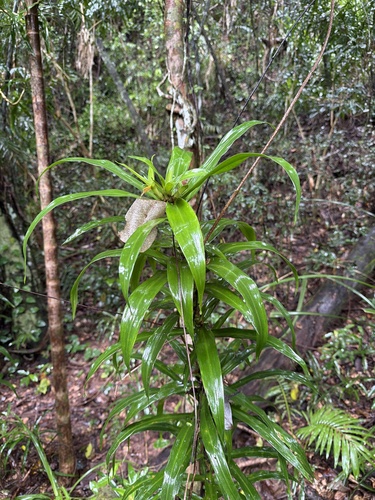 SujiDracaena angustifolia
No wildlife links recorded yet
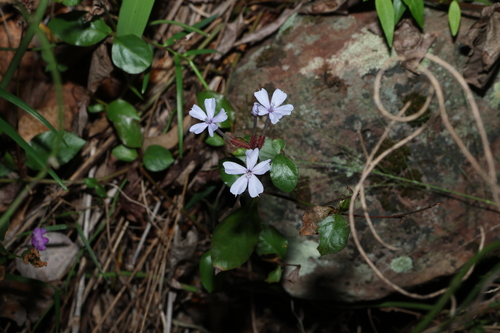 Wild LeadwortPlumbago zeylanica
Feeds 14 kinds of wildlife
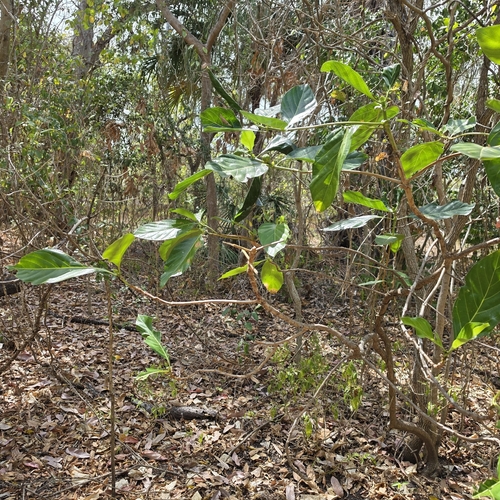 Rotten Cheese FruitMorinda citrifolia
Feeds 15 kinds of wildlife
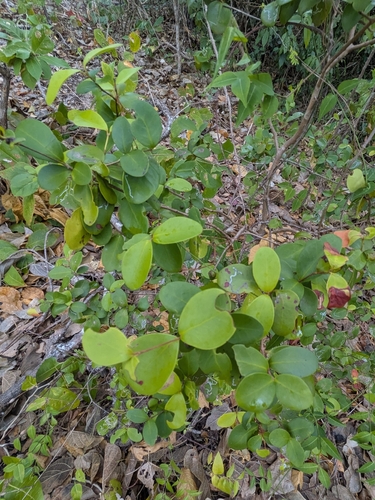 Cedar Bay CherryEugenia reinwardtiana
Feeds 1 kind of wildlife