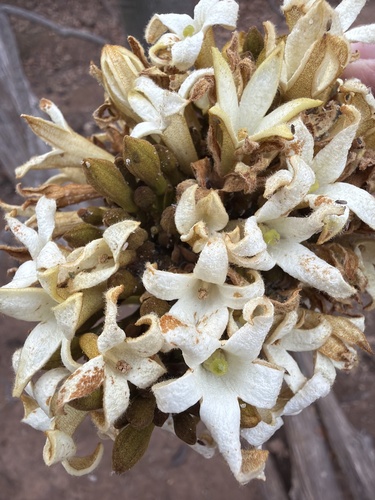
Home Suburbs Queensland Inkerman
What to plant in Inkerman
Queensland, postcode 4806
66 native plants grow wild within 5 km of Inkerman. Start with the garden-sized ones below: the most common locally, ranked higher when they feed more local wildlife.
5 threatened species recorded nearby Best picks Small trees 7 Shrubs 7 Groundcovers 8 Grasses & strappy 4 Climbers 11 Ferns 2 Palms 1 Large trees 26 All 66 Share this list
Plant these first
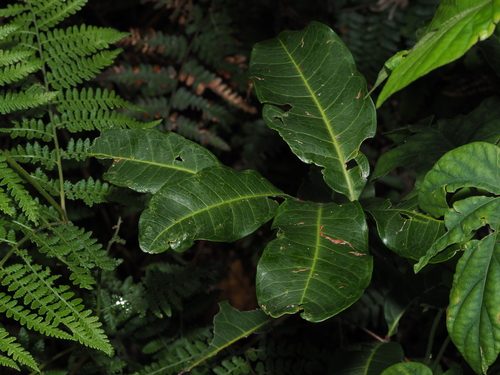
Sandpaper Fig Ficus opposita Small tree, about 8 m
Feeds 7 kinds of wildlife
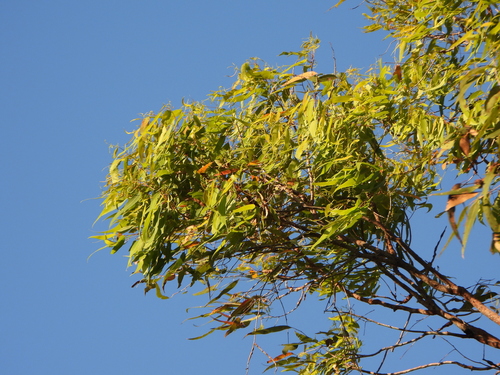
Narrow Leaved Croton Croton phebalioides Shrub, about 8 m
No wildlife links recorded yet
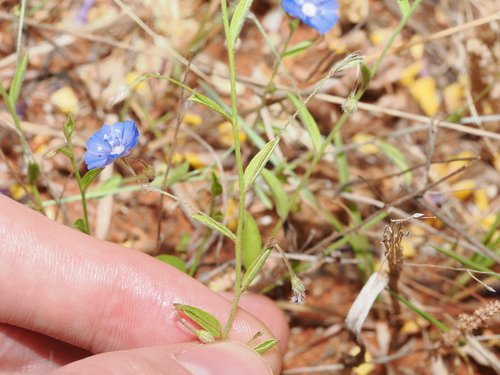
Desert Jasmine Jasminum didymum Climber
Feeds 2 kinds of wildlife
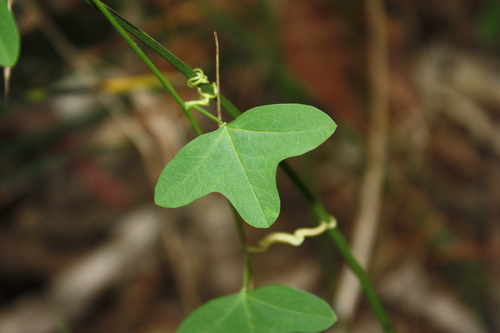
Pepper Vine Clematicissus opaca Climber
Feeds 1 kind of wildlife
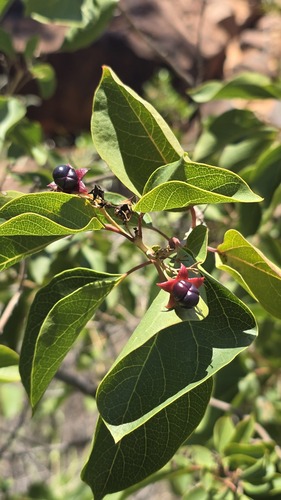
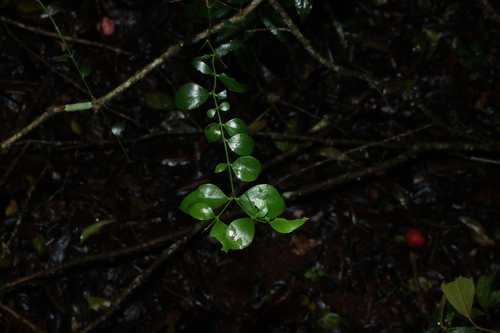
Currant-tree Antidesma parvifolium Small tree, about 6 m
No wildlife links recorded yet
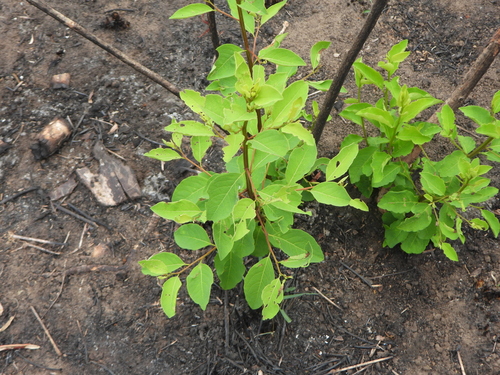
Dog's Balls Grewia savannicola Shrub, about 1 m
No wildlife links recorded yet
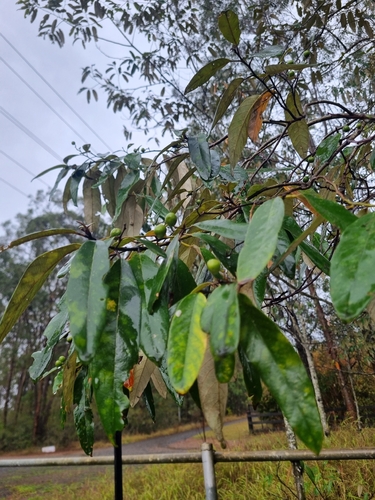
Erythroxylum australe Small tree, about 8 m
No wildlife links recorded yet
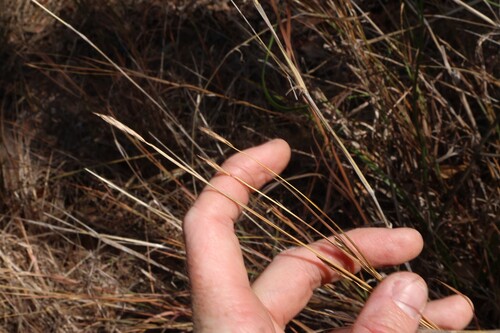
Scrub Pigeon Grass Setaria australiensis Grass or strappy plant, about 2.1 m
No wildlife links recorded yet
Golden Rod Sida hackettiana Shrub, about 2 m
Feeds 1 kind of wildlife
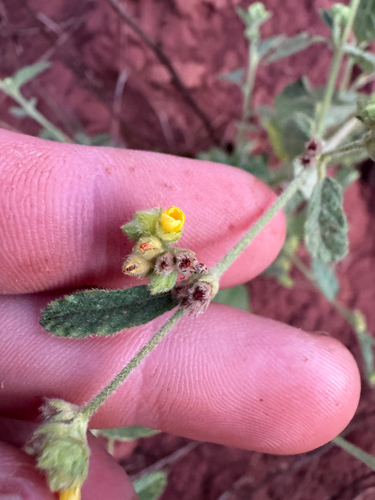
Velvet Hibiscus Melhania oblongifolia Shrub, about 1 m
No wildlife links recorded yet
Ribbon Fan Palm Livistona decora Palm, about 10 m
No wildlife links recorded yet
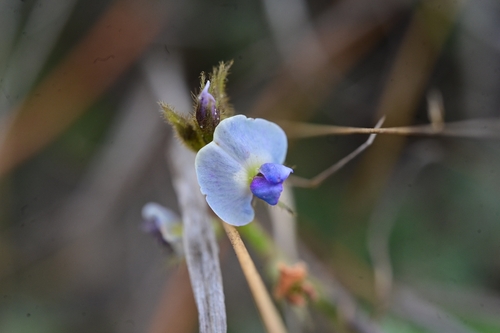
New Holland Rattlepod Crotalaria novae-hollandiae Shrub, about 1.5 m
No wildlife links recorded yet Toxic to pets
Threatened wildlife you can plant for None of the threatened species recorded nearby has a known garden food plant here.
5 more threatened species recorded nearby (no garden food plants known) Protecting the bush, wetlands and coast near you is the best help for these.
Wildlife these plants feed Number of the top 100 plants here that feed each group: birds (14), butterflies (19), bees (1), mammals (10), moths (17).
How this list is made Plants recorded growing wild within 5 km of Inkerman on GBIF and the Atlas of Living Australia (318 records). A plant counts only if it is native to Queensland (Alien Flora of Australia and the Australian Plant Census) and herbarium specimens show it grows wild in this bioregion (Brigalow Belt North), so street trees and garden plants from elsewhere drop out. Records from botanic gardens, zoos and museums are left out, and so are declared weeds. Plants on an official environmental weed list stay in the full list with a note but are never a pick. Water, saltmarsh and tiny or short-lived plants are in the full list only. Sources
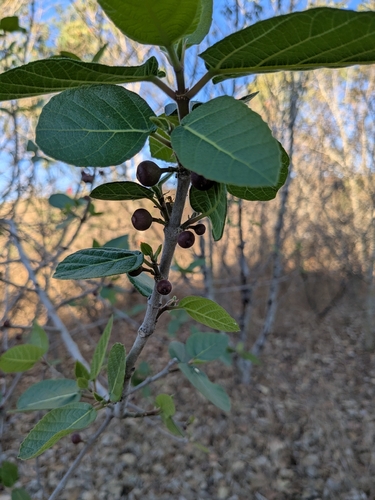 Sandpaper FigFicus opposita
Feeds 7 kinds of wildlife
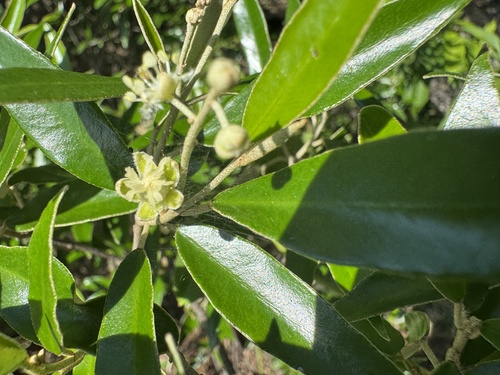 Narrow Leaved CrotonCroton phebalioides
No wildlife links recorded yet
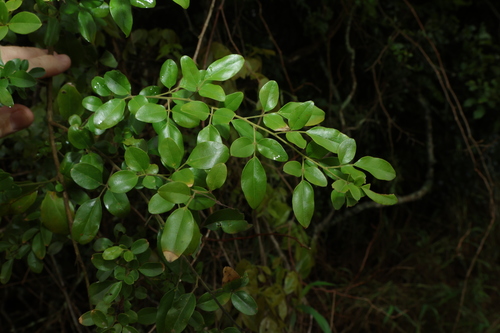 Desert JasmineJasminum didymum
Feeds 2 kinds of wildlife
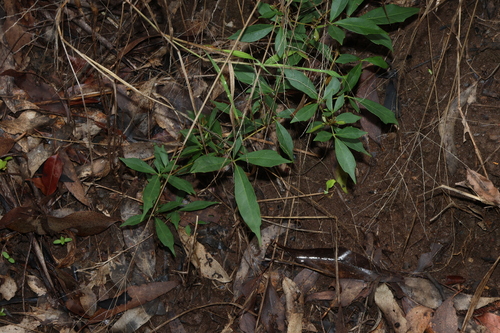 Pepper VineClematicissus opaca
Feeds 1 kind of wildlife
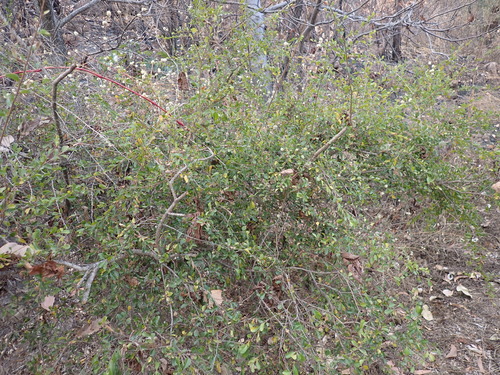 Currant-treeAntidesma parvifolium
No wildlife links recorded yet
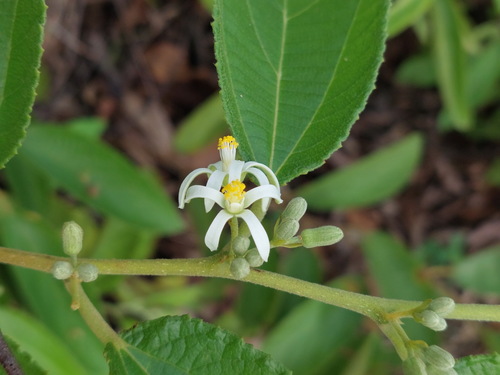 Dog's BallsGrewia savannicola
No wildlife links recorded yet
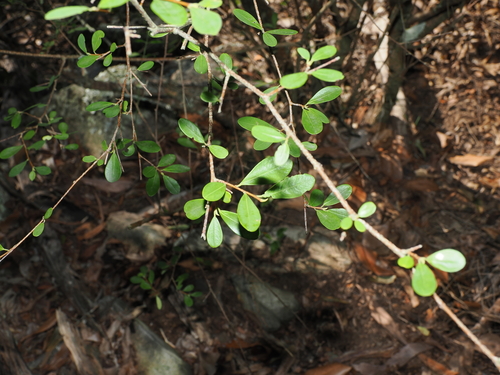 Erythroxylum australe
No wildlife links recorded yet
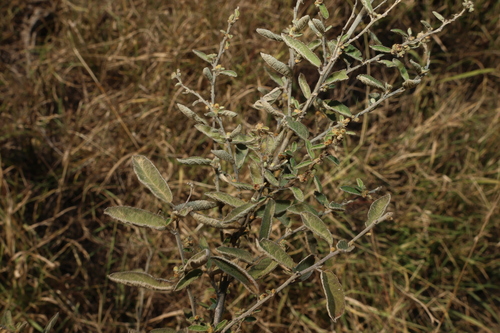 Golden RodSida hackettiana
Feeds 1 kind of wildlife
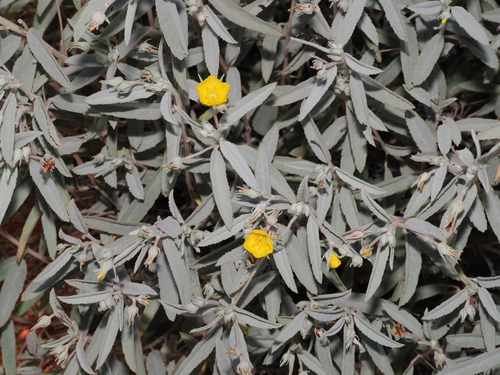 Velvet HibiscusMelhania oblongifolia
No wildlife links recorded yet
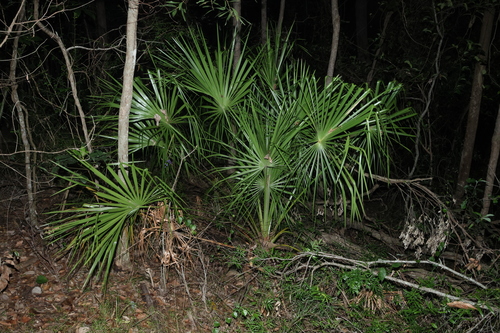 Ribbon Fan PalmLivistona decora
No wildlife links recorded yet
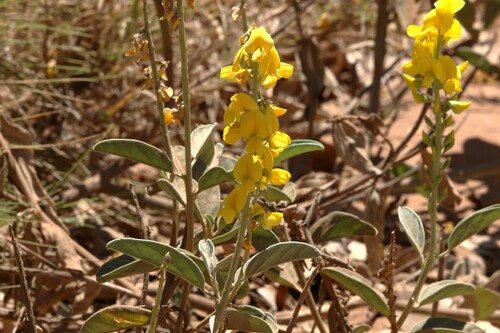 New Holland RattlepodCrotalaria novae-hollandiae
No wildlife links recorded yetToxic to pets