Broad-leaved Paperbark
Melaleuca quinquenervia
Broad-leaved Paperbark (Melaleuca quinquenervia) is a tree of eastern Australia's coastal swamps and lake edges, from Botany Bay in New South Wales into Queensland. It has thick, papery bark and cream bottlebrush flowers in autumn and winter. It suits a larger garden with damp ground, where the flowers feed nectar-eating birds and bees.
Needs space. It becomes a large tree, so keep it well away from buildings, drains and pipes.
Hard timber. The timber contains silica, which blunts saws and planes.
- Sun
- Full sun
- Soil
- Sandy to sandy-alluvial
- Water
- Moist to seasonally wet
- Size
- 10–15 m tall, up to 5 m wide
- Flowers
- Cream or white, autumn–winter
Based on its natural habitat: little has been published on growing it.
Photo: Petra Holland, CC BY, via iNaturalist
- Photo: Scott W. Gavins, CC BY, via iNaturalist
- Photo: Andrew Thornhill, CC BY, via iNaturalist
- Photo: smathichong, CC BY, via iNaturalist
Growing it
Plant it in a sunny spot with plenty of room, as it grows into a large tree. It tolerates a range of soils, so little preparation is needed.
In the wild it grows in swamps and beside lakes, where the ground is often wet or seasonally flooded. Moist ground suits it best, and young trees will need watering through dry spells.
Early pruning may encourage a denser, bushier shape. It is grown from seed, and possibly from cuttings.
What it looks like
A single-trunked tree, usually 10 to 15 metres tall, with thick, papery bark that peels in layers.
The leaves are flat and leathery, about 30 to 70 millimetres long, with several prominent veins running lengthwise.
The flowers are cream or white bottlebrush spikes, up to 5 centimetres long. The showy part is the stamens (the pollen-bearing threads). They open in autumn and winter, and are followed by small, woody cylindrical fruits.
For wildlife
The nectar-rich flowers attract nectar-feeding birds, flying-foxes and bees. The papery bark also adds habitat value to a larger garden.
Threatened wildlife that uses it
Caterpillar or larval food plant for
- Fergusonina turneri
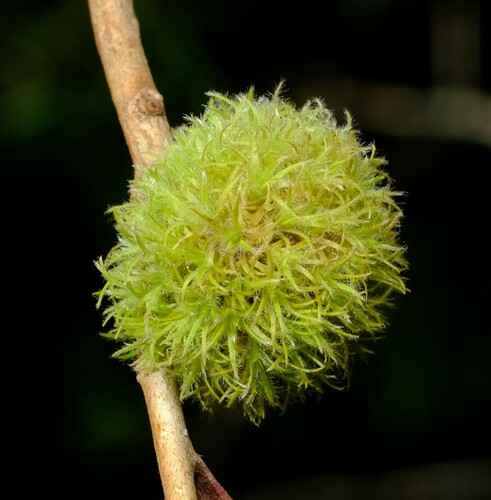 Beesonia ferrugineus
- Chrysonoma consularis
- Syneora lithina
- Aeolochroma quadrilinea
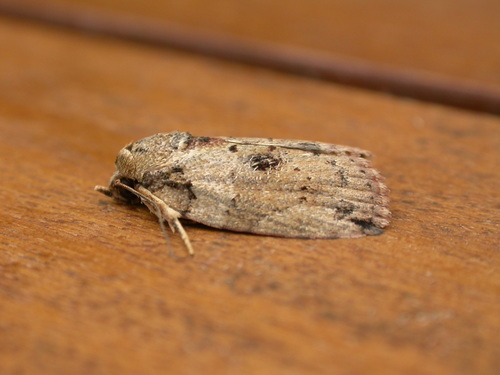 Pigeonpea Pod Borer
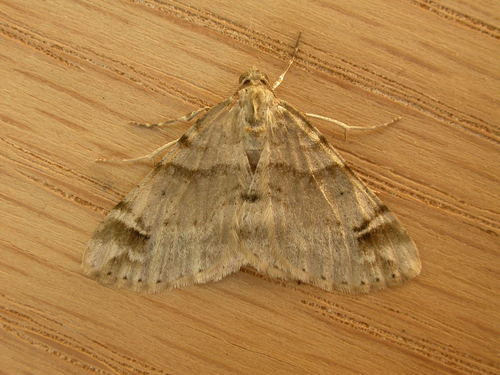 Geometer Moth
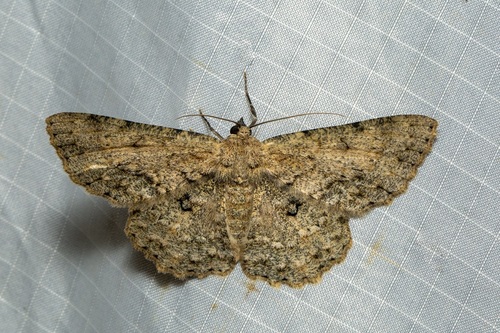 Hypodoxa erebusata
- Cryptophasa nephrosema
- Metallochlora militaris
- Geometer Moth
- Homodes bracteigutta
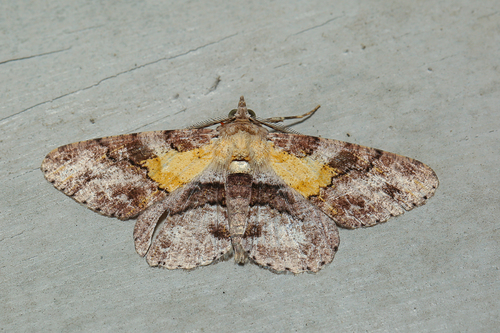 Cleora repetita
- Careades plana
- Guava Moth
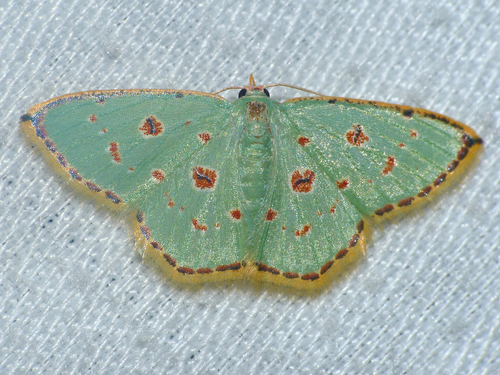 Comostola laesaria
- Garella vallata
- Hyposidra janiaria
- Oriental Leafworm Moth
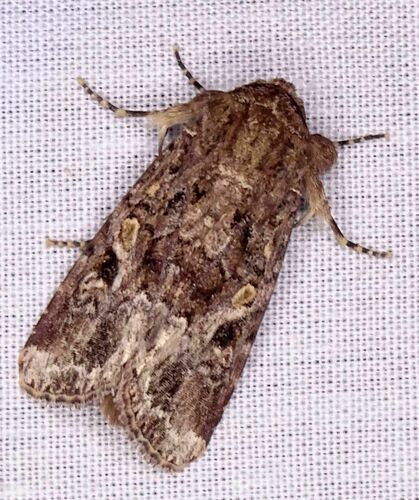 Lawn Armyworm Moth
Flowers visited by
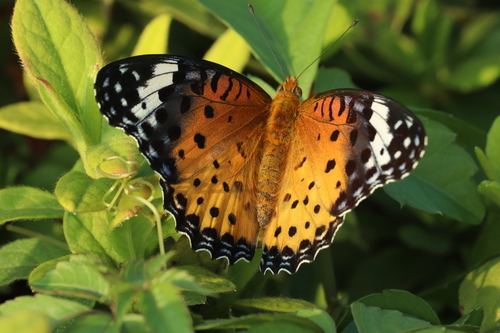 Laced FritillaryEndangered in NSW
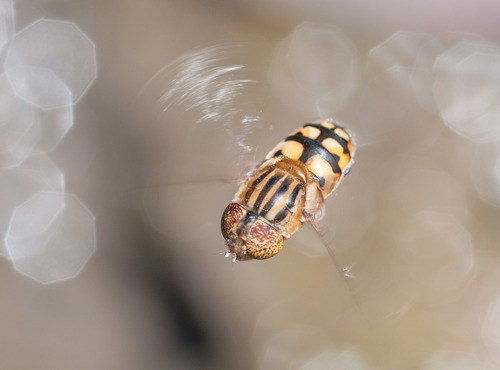 Native Drone Fly
- Elegant Masked Bee
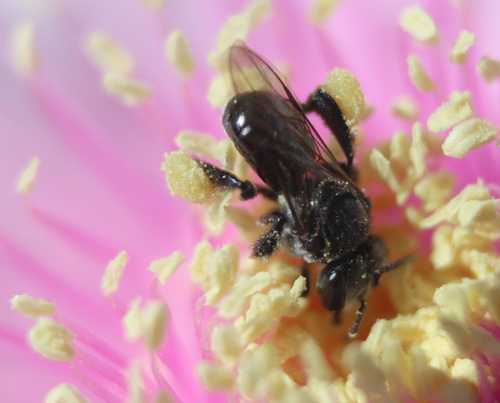 Charcoal Stingless Bee
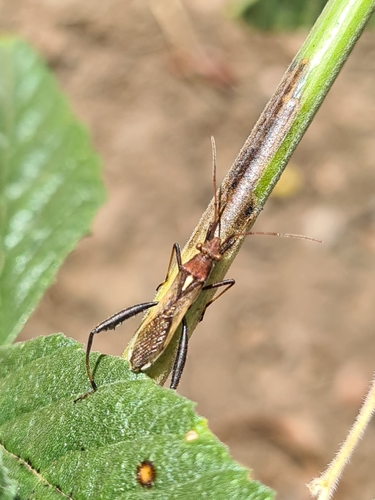 Podsucking Bug
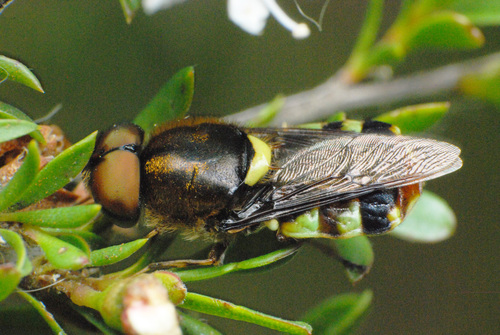 Odontomyia hunteri
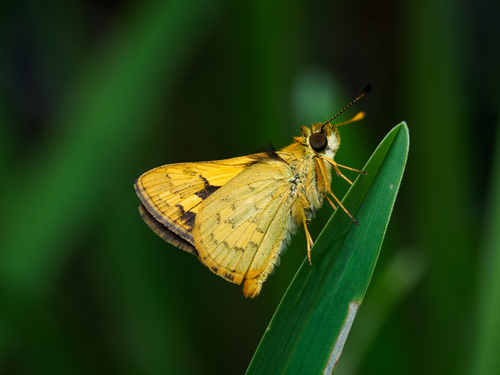 Green Grass-dart
- Rhynchium superbum
- Black Jezebel
- Imperial Jezebel
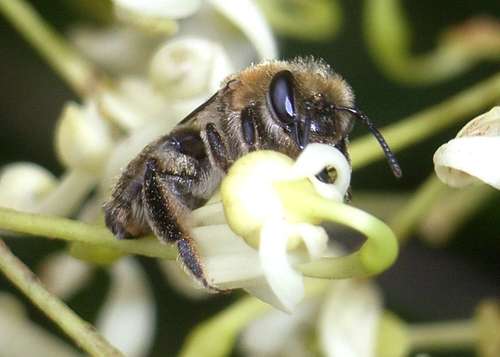 Loveable Leioproctus
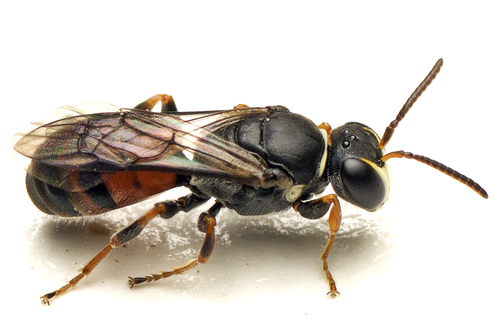 Littler's Masked Bee
- Stomorhina discolor
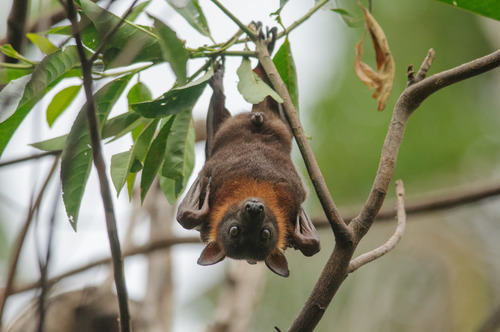 Little Red Flying-fox
- Barred Skipper
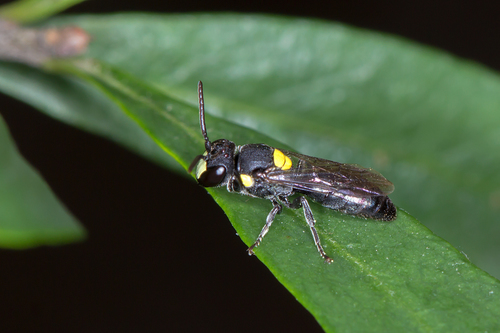 Round-headed Masked Bee
- Fiddler Beetle
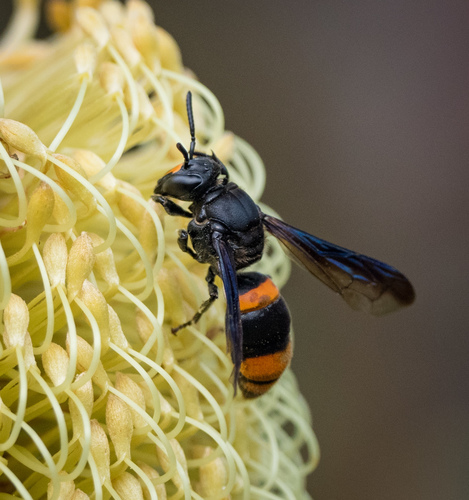 Common Wasp-mimic Bee
- White-marked Masked Bee
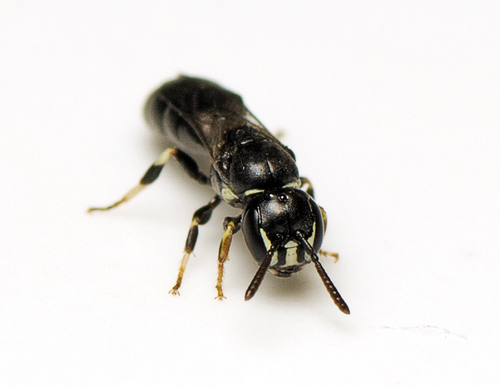 Healesville Masked Bee
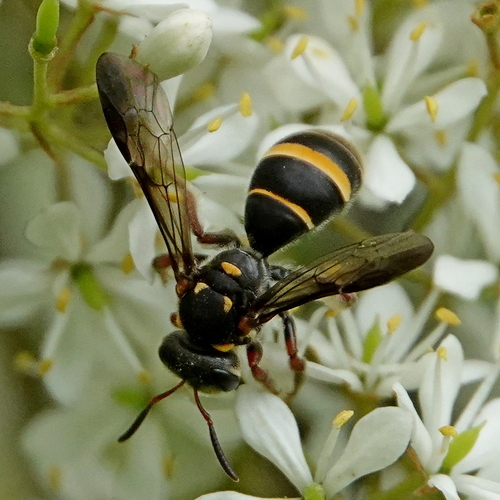 Lasioglossum peraustrale
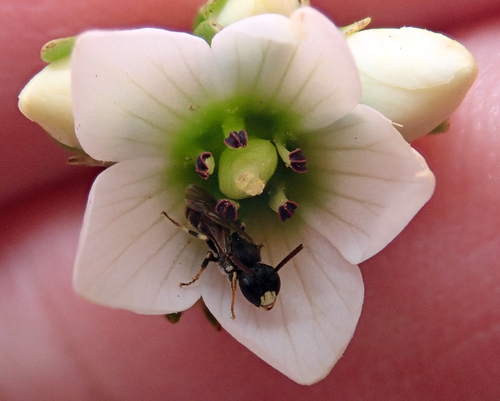 Rough-thorax Masked Bee
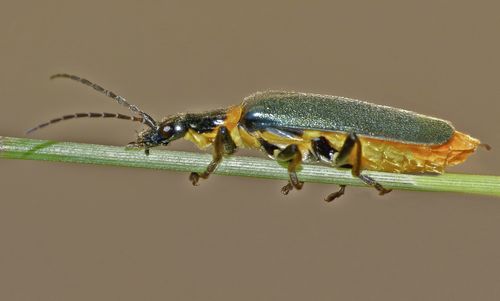 Plague Soldier Beetle
- Punctate Flower Chafer
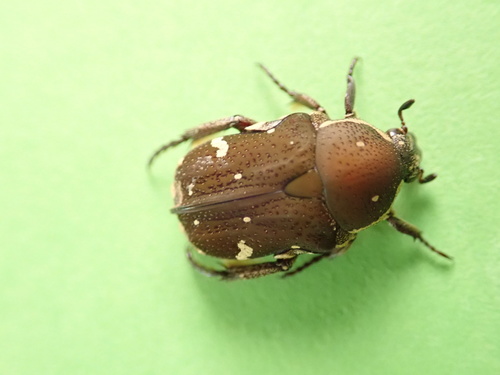 Brown Flower Beetle
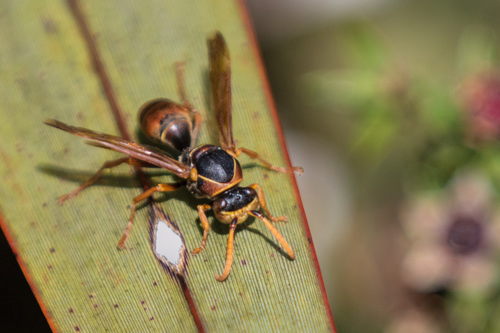 Australian Paper Wasp
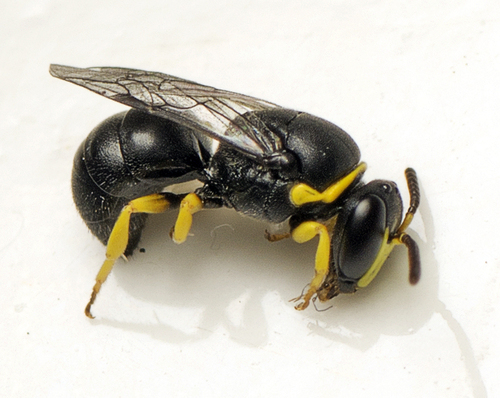 Friendly Masked Bee
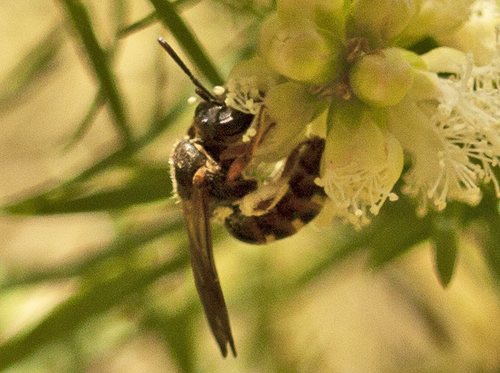 Lasioglossum bicingulatum
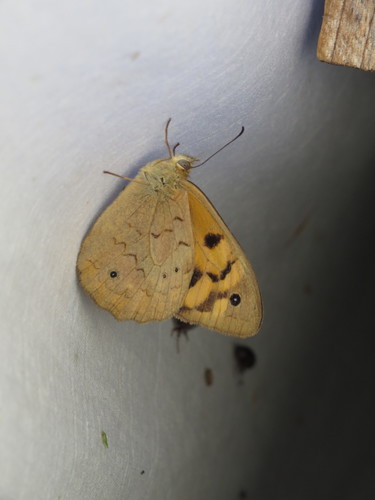 Common Brown
- Euodynerus aspra
- Red Wattlebirdunverified
- Lewin's Honeyeaterunverified
- New Holland Honeyeaterunverified
Eaten by
- Grey-headed Flying-foxVulnerable
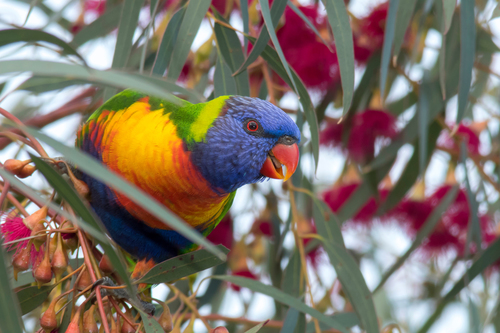 Rainbow Lorikeet
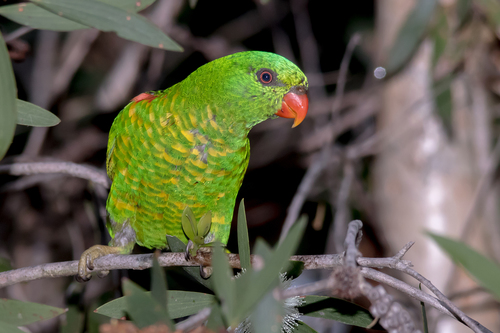 Scaly-breasted Lorikeet
- Black Jezebel
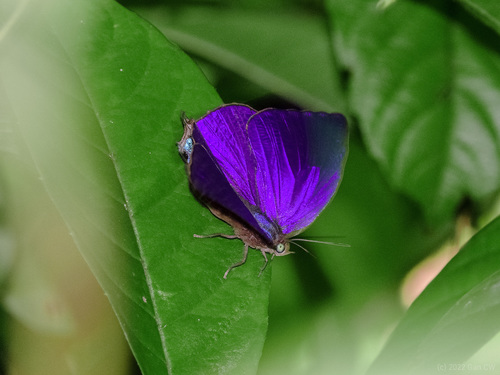 Dull Oak-blue
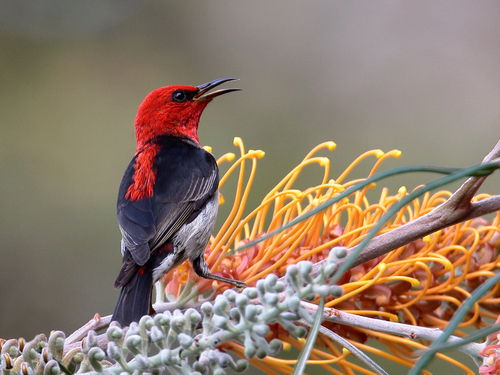 Scarlet Honeyeater
- Silky Jewel
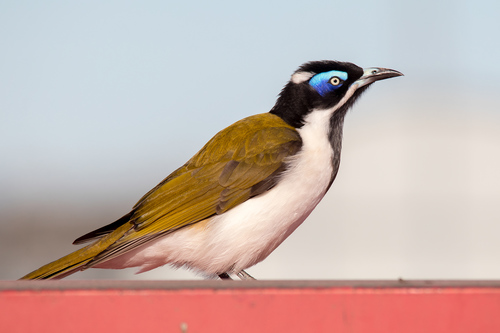 Blue-faced Honeyeater
- Brown Honeyeater
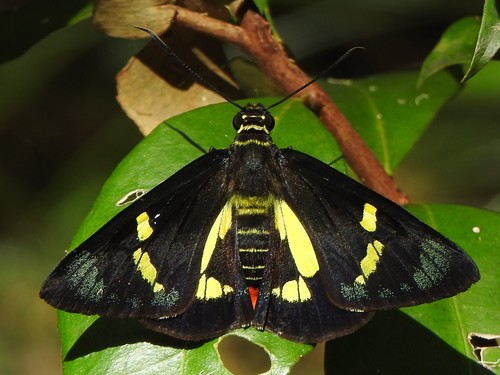 Regent Skipper
- Kamabrachys signatus
- Aprivesa exuta
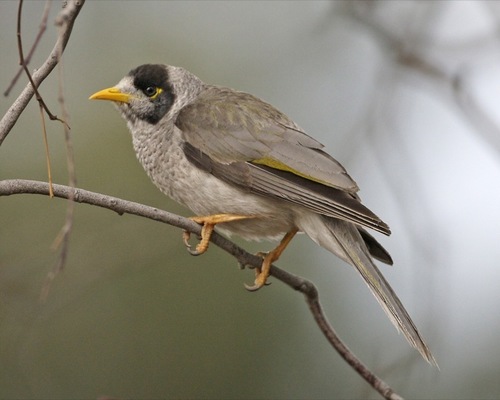 Noisy Miner
- Splendid Ochre
- Oriental Leafworm Moth
- Lawn Armyworm Moth
- Gymnoscelis lophopus
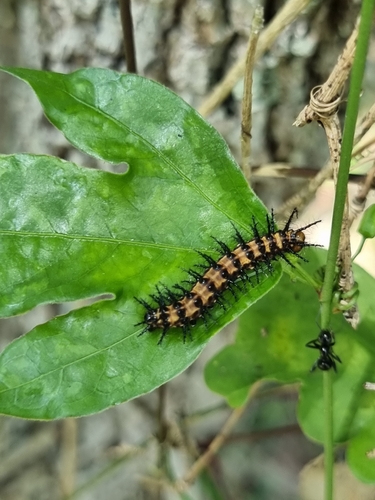 Glasswing
- Paperbark Cicada
- Black Prince
- Geometer Moth
- Purple Oak-blue
- Striped Honeyeater
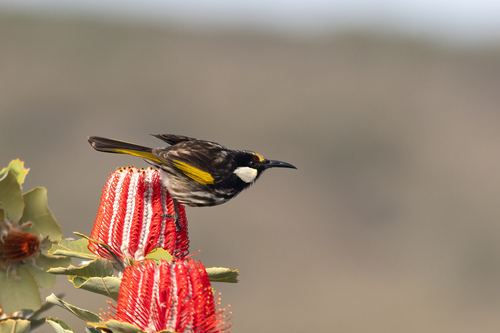 White-cheeked Honeyeater
- Little Red Flying-fox
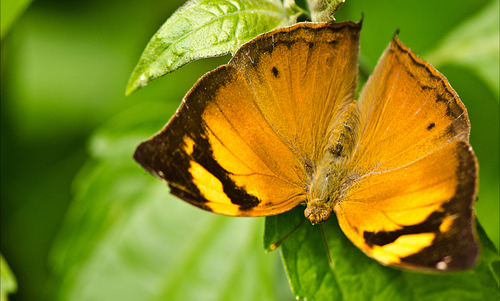 Leafwing
- Hyposidra janiaria
- Homodes bracteigutta
- Dusky Myzomela
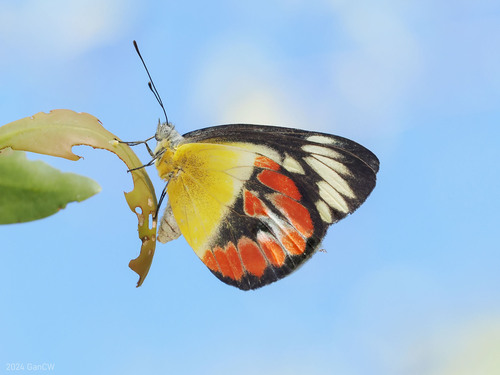 Scarlet Jezebel
- Cryptophasa nephrosema
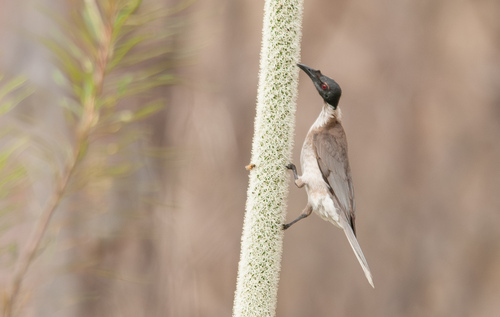 Noisy Friarbird
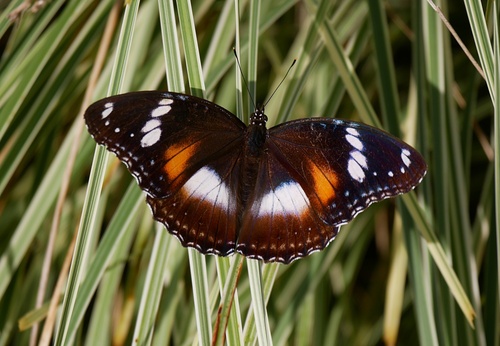 Varied Eggfly
- Chrysonoma consularis
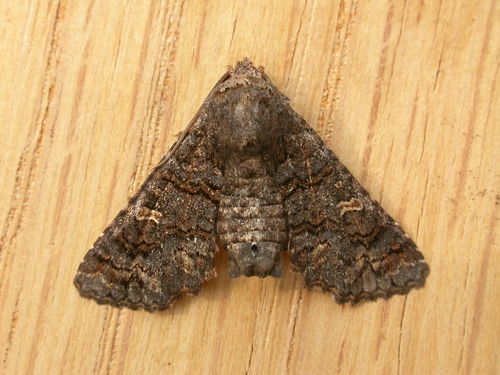 Owlet Moth
Also recorded with
- Grey-headed Flying-foxVulnerable
- Southern Blossom BatVulnerable in NSW
- Beesonia ferrugineus
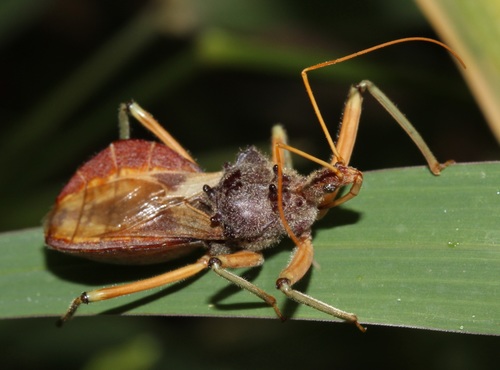 Common Assassin Bug
- Mealybug Destroyer
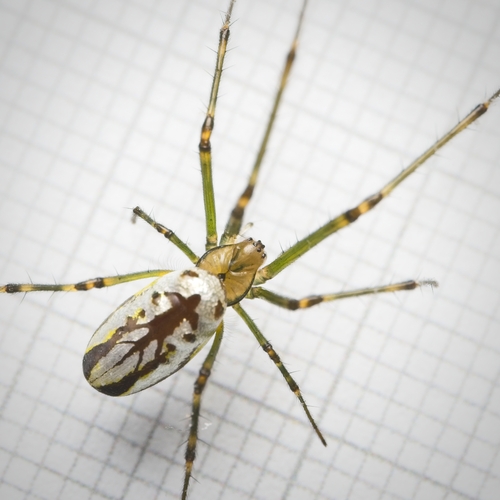 Silver Orb Spider
- Loveable Leioproctus
- Black Scavenger Fly
- Hover Fly
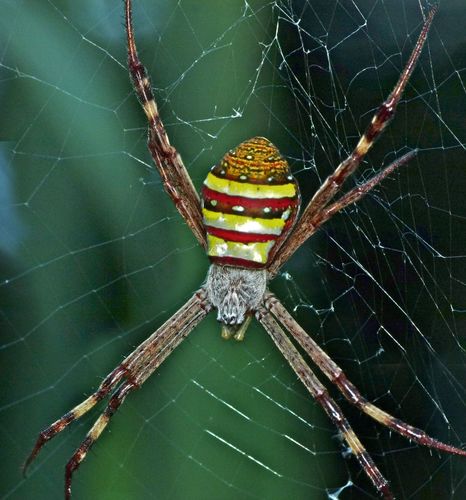 Saint Andrew's Cross Spider
- White-cheeked Honeyeater
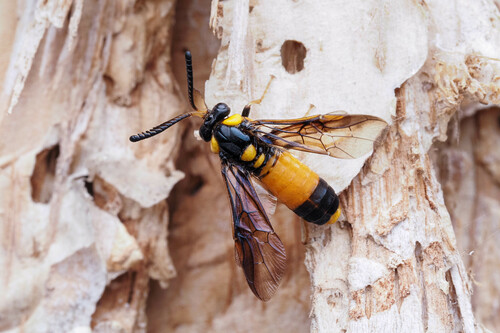 Melaleuca Sawfly
- Paperbark Cicada
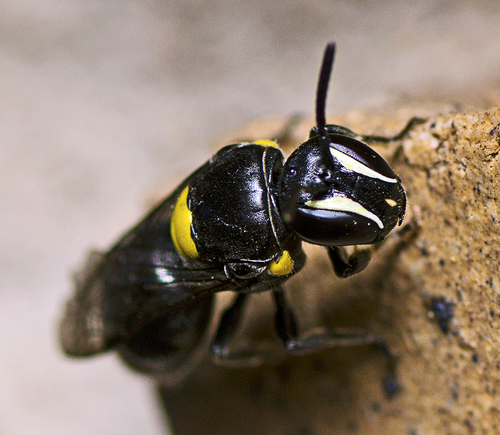 Cloudy Masked Bee
- Brown Honeyeater
- Little Red Flying-fox
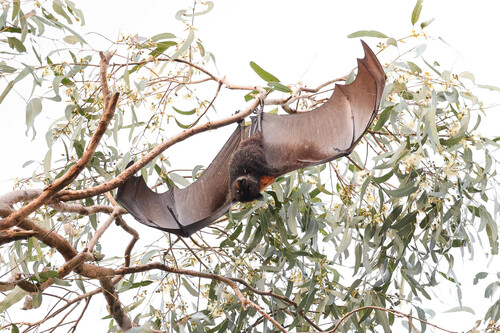 Black Flying-fox
- Mottled Cup Moth
Where it belongs
Native to coastal New South Wales, north from Botany Bay, and to Queensland, where it grows mainly in coastal swamps and around lake margins.
Suburbs it belongs in include:
Related plants
Sources
- Melaleuca quinquenervia, PlantNET (NSW Flora Online), Royal Botanic Garden Sydney
- Melaleuca quinquenervia, Australian Plants Society resources
- Native range: Australian Plant Census and Alien Flora of Australia. Wildlife links: GloBI and the studies cited on each animal page. All sources