Coastal Rosemary
Westringia fruticosa
Coastal Rosemary (Westringia fruticosa) is a dense, evergreen shrub from the coast of New South Wales, where it grows on cliffs, sand dunes and nearby hills. It tolerates salt spray and wind, so it suits seaside gardens. Its small white flowers appear for much of the year, and the bushes can be shaped into a hedge or low dome.
- Sun
- Full sun to part shade
- Soil
- Most soils, well drained
- Water
- Dry once established
- Size
- 1–2 m tall, 1–4 m wide
- Flowers
- White to pale mauve, most months
- Frost
- Moderate frost
Photo: Bryce Watts-Parker, CC BY, via iNaturalist
- Photo: Emily Turteltaub Nelson, CC BY, via iNaturalist
- Photo: Henk Kleynhans, CC0, via iNaturalist
- Photo: ronavery, CC BY, via iNaturalist
Growing it
Plant it in full sun, or part shade, in well-drained soil. It copes with clay, loam and sand, and does well in exposed seaside sites. Year-round sun helps prevent dieback from the base as plants age.
Once established, it needs only occasional watering, but a dry spell can leave the leaves yellowing and the wood bare, so water then. Plants can die during prolonged rain, so avoid waterlogged ground.
Without regular pruning the plant becomes leggy, and if it is then pruned hard it may not reshoot. Trim it often to keep a dense dome or a formal hedge. Cuttings root very easily, and seed also works.
Fire kills the plant, which regenerates from seed.
What it looks like
Coastal Rosemary is a bushy, evergreen shrub with a stiff, dense habit. The leaves are dark green, narrow, up to about 2 cm long and set in whorls around the stem, and young growth and leaf undersides carry fine hairs that give a silvery tint. Plants can form a dome or a low, spreading mass, depending on the site (wild plants hugging cliffs can be prostrate).
The flowers are about 1.5 to 2 cm across, white or pale mauve, with small reddish or brown spots at the throat. They appear in most months except in extreme heat or cold, and are abundant in spring and summer.
For wildlife
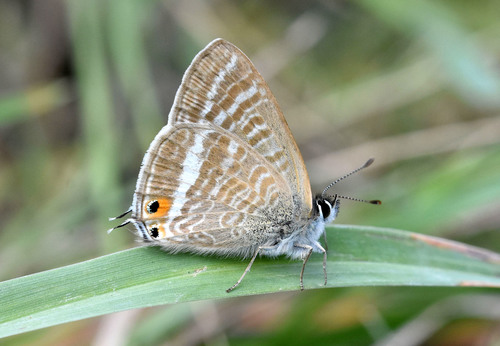
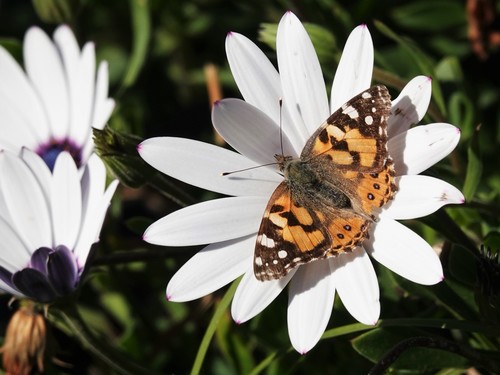
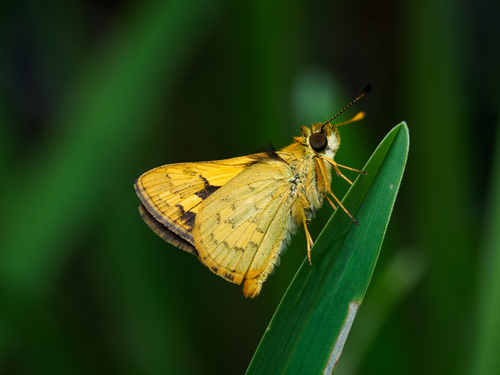
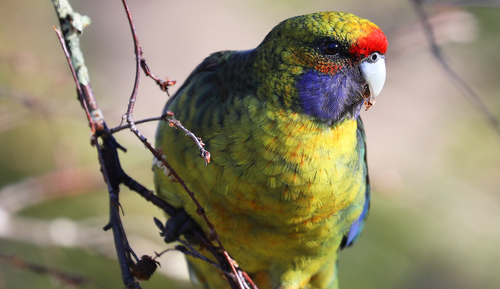
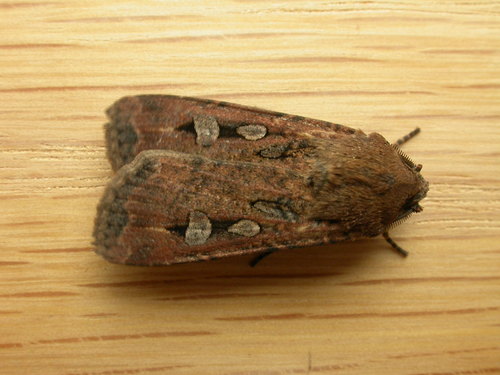
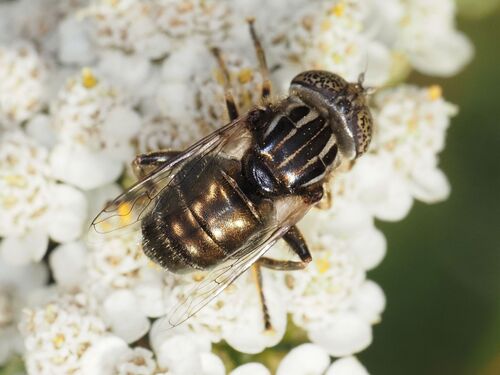
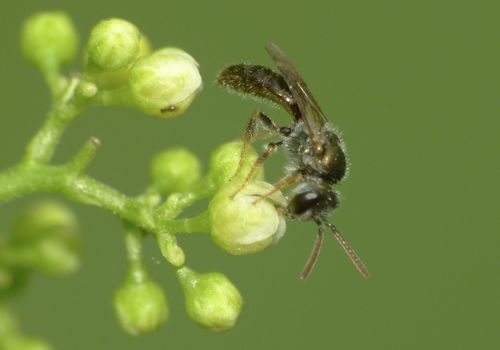
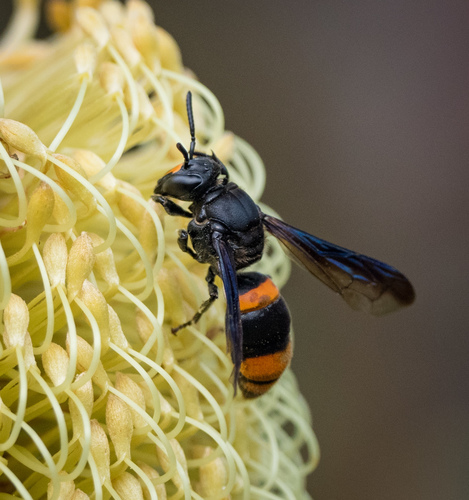
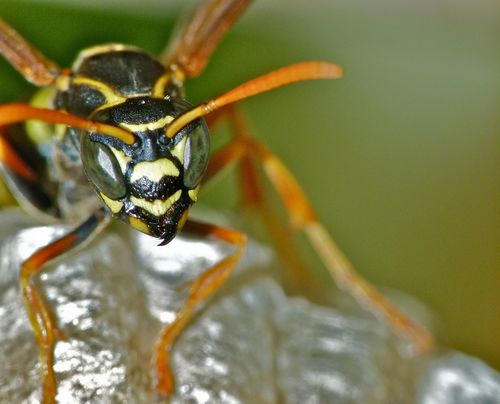
The flowers are pollinated by native and introduced bees, and the shrub attracts native butterflies and other insects. It is also a caterpillar food plant and gives cover for birds.
Where it belongs
Native to coastal New South Wales, mainly from Forster to Eden, with a few scattered plants on the tablelands and further north. It grows on coastal cliffs, dunes and hills, and is not considered at risk of extinction in the wild. It has naturalised in Queensland and Victoria.
Suburbs it belongs in include:
Related plants
Sources
- Westringia fruticosa (Coastal or Native Rosemary), Australian National Botanic Gardens
- Westringia fruticosa (Coastal Rosemary), Plant Selector, Adelaide Botanic Garden
- Westringia fruticosa, Austplants Resources
- Westringia fruticosa, PlantNET (NSW Flora Online), Royal Botanic Gardens Sydney
- Native range: Australian Plant Census and Alien Flora of Australia. Wildlife links: GloBI and the studies cited on each animal page. All sources