Hairy Bush-pea
Pultenaea villosa
Hairy Bush-pea (Pultenaea villosa), also called Bronze Bush-pea, is a weeping shrub from eastern Australia. It grows naturally from the south Moreton district near Brisbane down the New South Wales coast to Bega. Its yellow pea flowers and drooping branches suit it to a sunny spot as a specimen plant or small informal hedge.
- Sun
- Sun, at least half a day
- Soil
- Moist, well-drained soil
- Water
- Extra water in warm summers
- Size
- About 2 m tall, 3 m wide
- Flowers
- Yellow to orange, spring–summer
- Frost
- Frost hardy
Photo: Richard Fuller, CC0, via iNaturalist
- Photo: Greg Tasney, CC BY-SA, via iNaturalist
- Photo: Martin Hannan-Jones, CC BY, via iNaturalist
- Photo: Jazmin, CC BY-SA, via iNaturalist
Growing it
Plant it in an open position with at least half a day of sun, because plants in heavy shade grow spindly. It prefers moist soil with average drainage and tolerates wetter ground than many pea-flowers, but it needs extra water in warm summer months. It also takes light pruning, which helps if you want a small informal hedge.
Grow new plants from seed or cuttings. Seed needs pre-treatment first: chip or scratch the hard seed coat, or soak the seed in hot water. Seed stays viable for many years. Take cuttings from firm, current-season growth, and avoid constant misting, because the hairy leaves hold water and can rot.
What it looks like
A much-branched shrub that grows to about 2 metres high and 3 metres across. The last 15 centimetres or so of each branch droops, giving it a weeping look. The leaves are tiny, about 5 millimetres long, and covered in short hairs that give the plant a greyish tinge (villosa means hairy). New growth is reddish in late winter and early spring.
The pea-shaped flowers are yellow to orange with red-brown markings, and are dense from spring into summer. Small seed pods follow, and the seed ripens from late summer to early autumn.
For wildlife
No particular animals that depend on this shrub were found in the sources read. Its dense, weeping growth gives low cover in a garden.
Caterpillar or larval food plant for
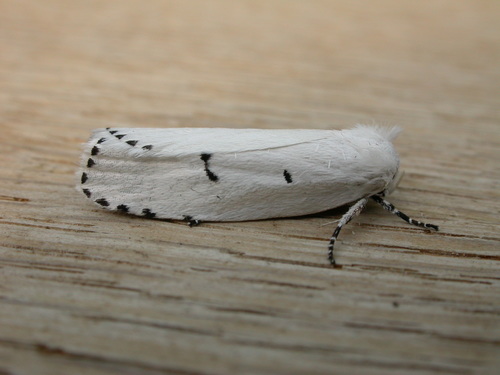
Eaten by
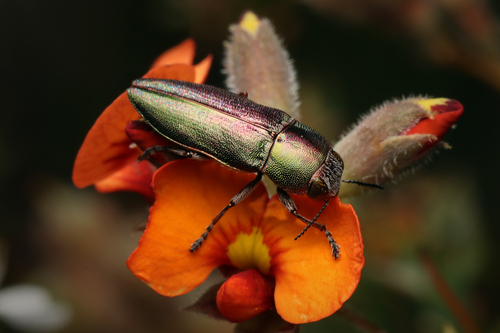
Also recorded with
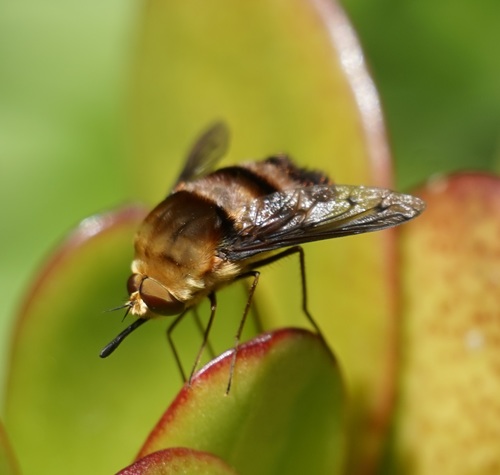
Where it belongs
It grows naturally in forest, woodland, heath and coastal dunes, from the south Moreton district near Brisbane in Queensland down the New South Wales coast to Bega.
Suburbs it belongs in include:
Related plants
Sources
- Pultenaea villosa, Growing Native Plants, Australian National Botanic Gardens
- Pultenaea villosa, Australian Native Plants Society (ANPSA)
- Pultenaea villosa, Plants of South Eastern New South Wales (Lucid key)
- Native range: Australian Plant Census and Alien Flora of Australia. Wildlife links: GloBI and the studies cited on each animal page. All sources