Hop Goodenia
Goodenia ovata
Hop Goodenia (Goodenia ovata) is a fast-growing, clumping shrub from eastern and south-eastern Australia. It is one of the easiest natives to strike from cuttings and quickly fills a sunny or lightly shaded spot, giving cover for small birds and other wildlife.
- Sun
- Sun or part shade
- Soil
- Most soils, well drained
- Water
- Moderate; hardy once established
- Size
- 1–2 m tall and wide
- Flowers
- Yellow, mostly Oct–Mar
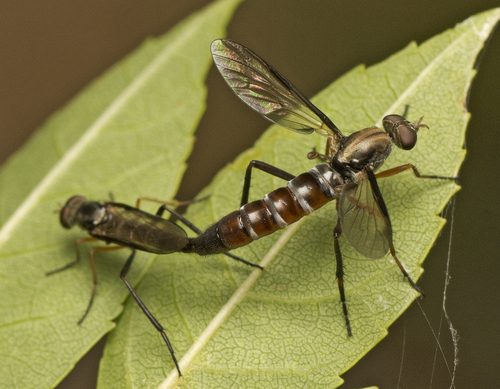
Photo: Bryce Watts-Parker, CC BY, via iNaturalist
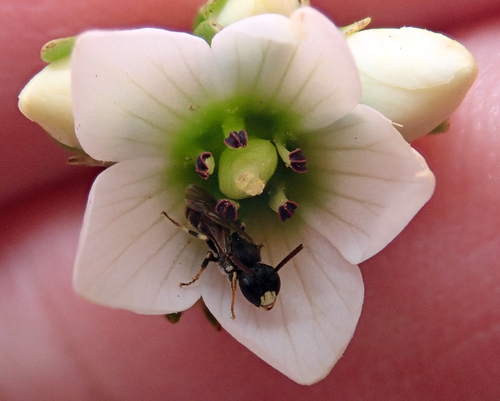
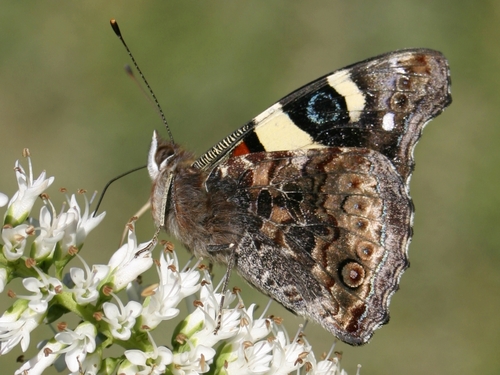
- Photo: Carmen, CC BY, via iNaturalist
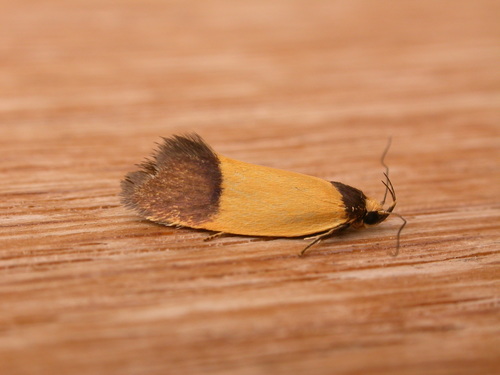
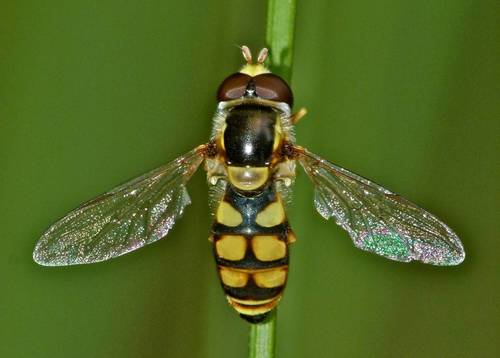
- Photo: Emily Turteltaub Nelson, CC BY, via iNaturalist
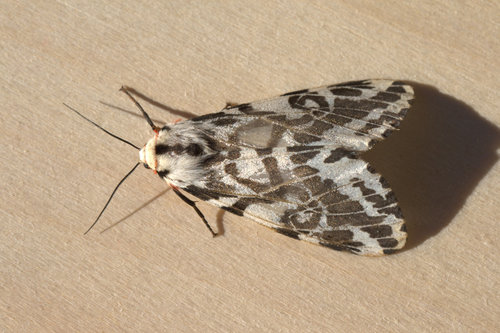
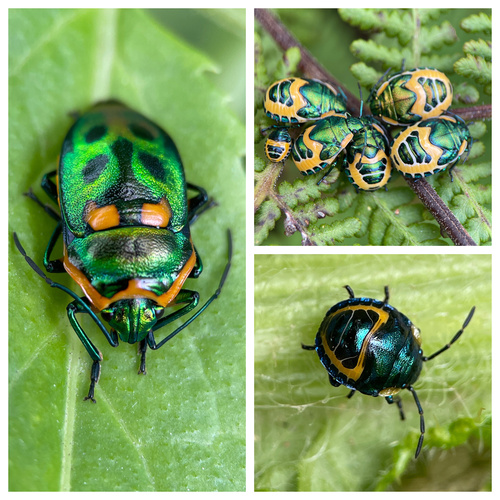
- Photo: Peter Crowcroft, CC BY, via iNaturalist
Growing it
Plant it in sun or part shade in most soils, as long as they drain well. It grows quickly, but can become open and untidy without attention. It responds well to hard pruning, which keeps it compact.
Cuttings root readily at most times of the year, which makes it an easy plant to multiply. Seed germinates reliably but is hard to obtain, and it is collected from early December to late January because it is shed quickly.
It spreads by suckers (new shoots from the roots) and colonises ground after fire or clearing, so give it room and cut back shoots that appear where you do not want them.
What it looks like
Hop Goodenia is a clumping shrub that can be upright or sprawling, with ribbed young stems. The oval leaves are 3–8 cm long and 1–4 cm wide, with toothed edges. They are somewhat sticky, often with a shiny, varnished look.
The bright yellow flowers are carried on short stalks among the leaves. They appear mostly from October to March, with a few at other times of the year. The fruit is a small cylindrical capsule, 8–12 mm long, holding tiny bristly seeds.
For wildlife
The dense clumps provide habitat and food for small insect-eating birds and native mice, and shelter for lizards and snakes. Rosellas eat the fruit.
Where it belongs
It is native to New South Wales, Victoria, Queensland (as far north as about Maryborough), South Australia and Tasmania, and grows in forest, woodland and sometimes exposed rocky ground near the sea. It is common in Victoria and is not considered at risk of extinction in the wild.
Suburbs it belongs in include:
Related plants
Sources
- Goodenia ovata (Hop goodenia), VicFlora, Royal Botanic Gardens Victoria
- Goodenia ovata, PlantNET, Royal Botanic Garden Sydney
- Goodenia ovata, Australian Plants resource
- Goodenia ovata, Australian Native Plants Society (ANPSA)
- Hop Goodenia (Goodenia ovata), Woolshed Thurgoona Landcare Group
- Native range: Australian Plant Census and Alien Flora of Australia. Wildlife links: GloBI and the studies cited on each animal page. All sources