Red Ironbark
Eucalyptus sideroxylon
Red Ironbark is a large tree native to New South Wales, Victoria, Queensland, usually about 25 m tall in a garden. It feeds 27 kinds of wildlife, including the threatened Swift Parrot. It is in the local plant lists of 1,845 suburbs.
- Type
- Large tree
- Garden height
- 25 m
- Tallest in the wild
- 35 m
- Flower colour
- red brown white cream
- Family
- Myrtaceae
- Native to
- New South Wales, Victoria, Queensland
Photo: Jared Shorma, CC BY, via iNaturalist
Wildlife it feeds
Threatened wildlife that uses it
Caterpillar or larval food plant for
Flowers visited by
- Little LorikeetunverifiedEndangered in SA
- Grey-headed Flying-fox1 recordVulnerable
- Black Jezebel1 record
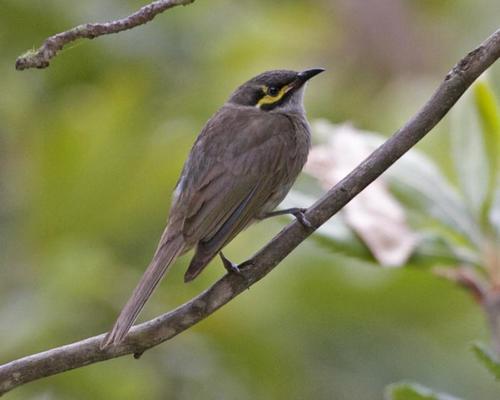 Yellow-faced Honeyeaterunverified
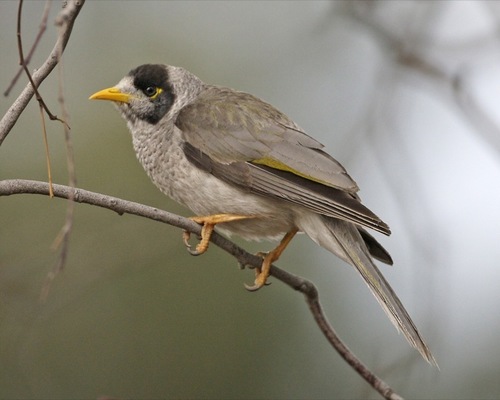 Noisy Minerunverified
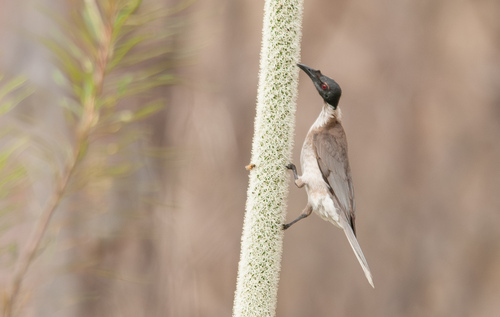 Noisy Friarbirdunverified
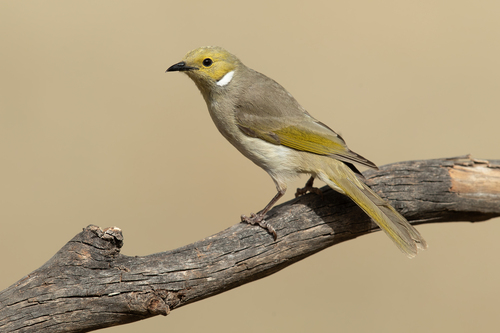 White-plumed Honeyeaterunverified
- Musk Lorikeetunverified
Eaten by
- Gang-gang Cockatoo2 recordsEndangered
- Grey-headed Flying-fox2 recordsVulnerable
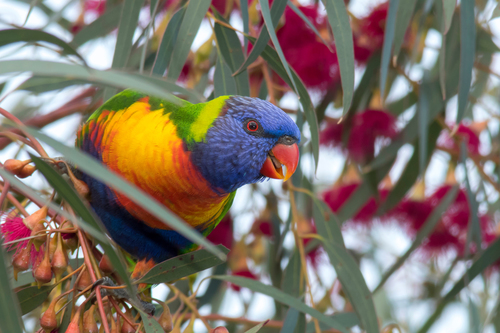 Rainbow Lorikeet22 records
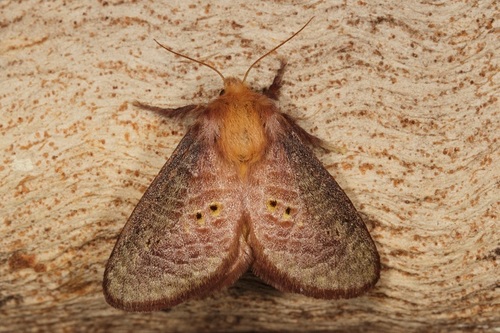 Four-spotted Cup Moth2 records
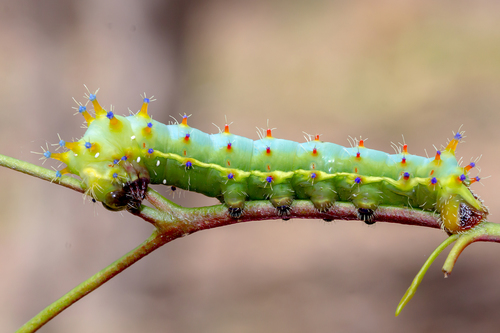 Emperor Gum Moth2 records
 Bronze Bug1 record
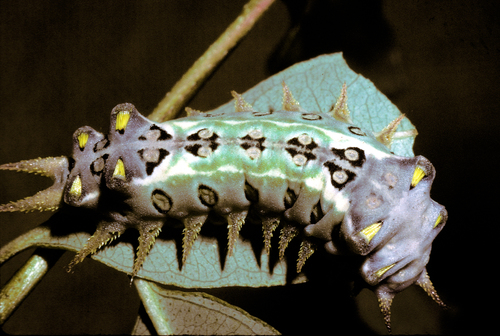 Painted Cup Moth1 record
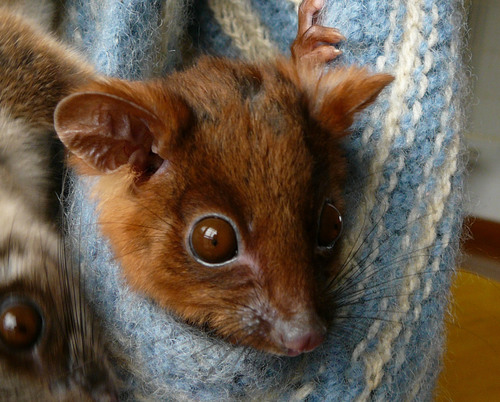 Common Ringtail Possumunverified
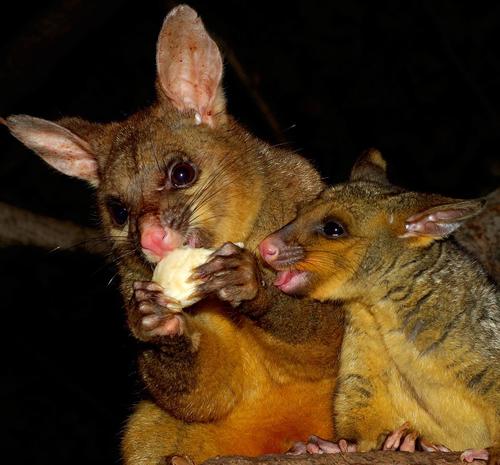 Common Brushtail Possumunverified
- Spotted Pardaloteunverified
- Striated Pardaloteunverified
Also recorded with
- Swift Parrot3 recordsCritically endangered
- Grey-headed Flying-fox2 recordsVulnerable
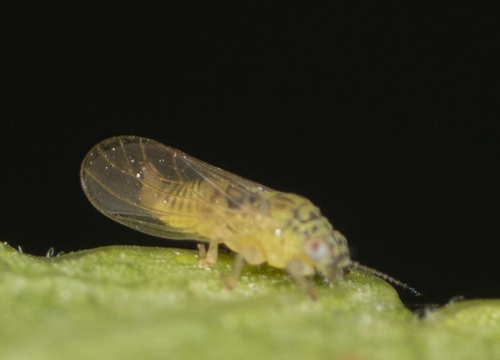 Eucalyptus Shoot Psyllid8 records
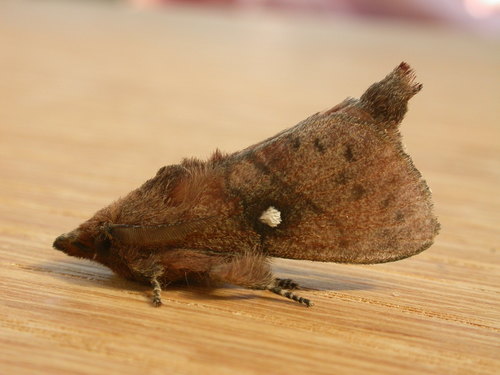 Lappet Moth6 records
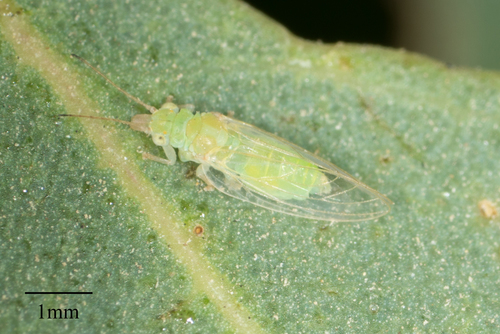 Red Gum Lerp Psyllid2 records
- Black Honeyeater1 record
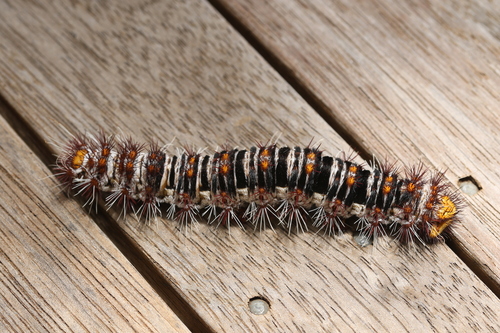 Batwing Moth1 record
- Little Wattlebird1 record
- Rainbow Lorikeet1 record
- Red Wattlebird1 record
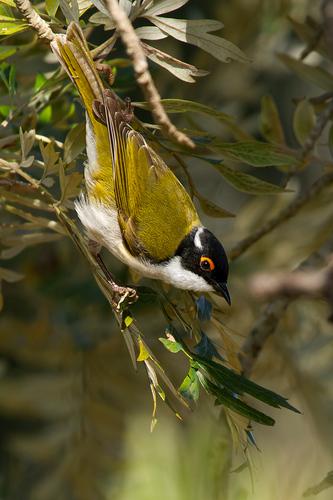 White-naped Honeyeater1 record
Photos
- Photo: Jared Shorma, CC BY, via iNaturalist
- Photo: Toby Jin, CC BY, via iNaturalist
- Photo: ttsquid, CC BY, via iNaturalist
- Photo: Peter Crowcroft, CC BY, via iNaturalist
Where it grows naturally
Native to New South Wales, Victoria, Queensland. It ranks high in the local plant lists of these suburbs:
Related plants
Sources
Native range: Australian Plant Census and Alien Flora of Australia, with herbarium specimens for each bioregion. Size, flowering and form: AusTraits 7.0.0. Records: GBIF and the Atlas of Living Australia. Wildlife links: GloBI and the studies cited on each animal page. All sources